
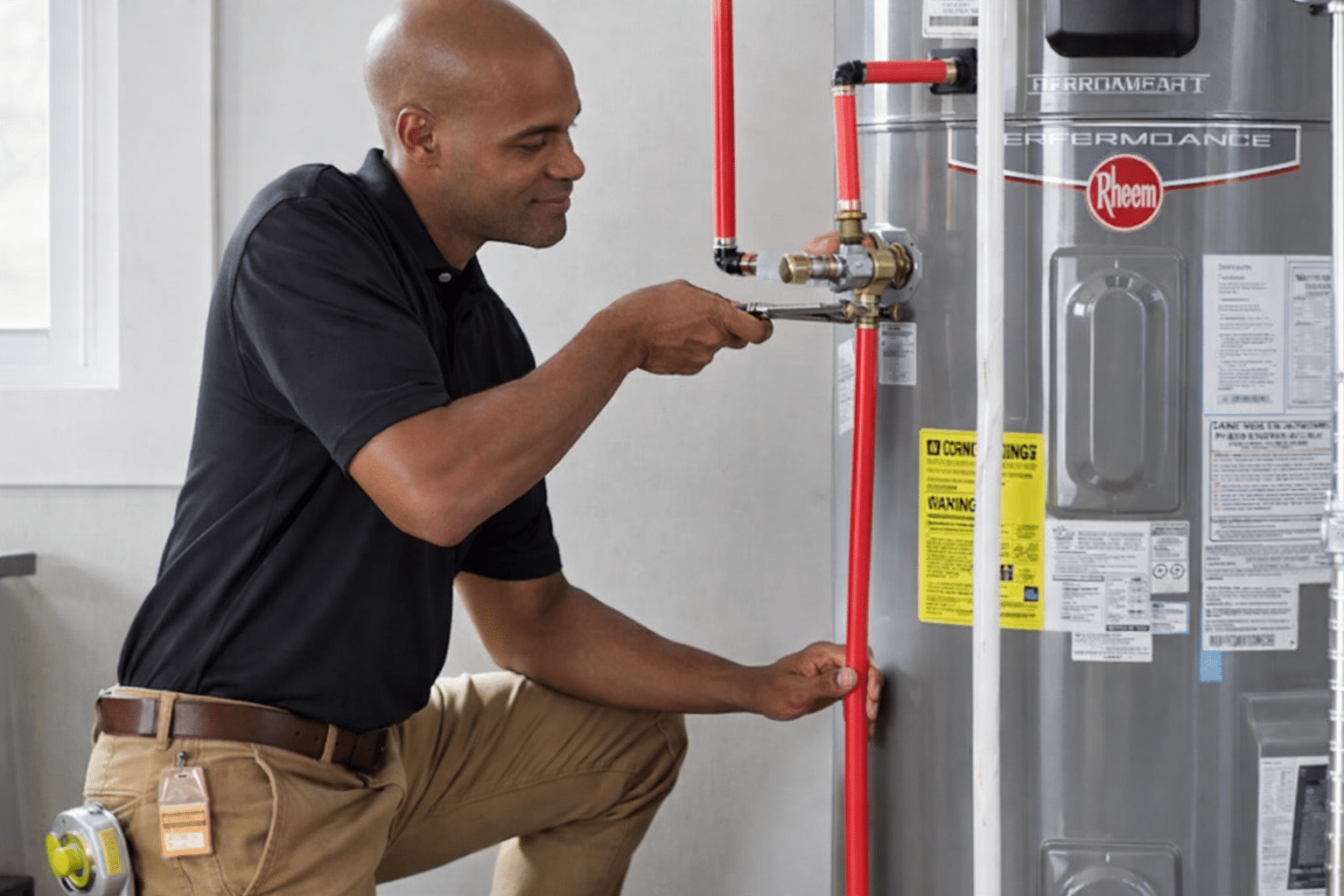
The sun hasn’t even come up yet, and you’re standing in the shower, bracing yourself for a blast of hot water that never arrives. We’ve all felt that sudden, icy jolt of a cold shower, a frantic moment of realization that the silent giant in your garage or basement has finally decided to go on strike.
It’s a sinking feeling that usually leads to one immediate, stressful question: “How much is this going to cost me?” We at Plumbing Doctor understand the anxiety of staring at a mysterious metal tank while wondering if you’re looking at a simple $200 fix or a $1,500 disaster.
When searching for plumbers near me, you want a plumbing company that understands the urgency of a cold home.
In this guide, we’re pulling back the curtain on the industry to give you the honest, transparent breakdown you deserve. From the tiny sensors that keep your pilot light lit to the complex heating elements that power your morning routine, we’ll explore every factor that influences your final bill.
Why is Your Water Heater on the Fiddle?
Spotting the Early Warning Signs
A lot of homeowners will tell you that their water heater often gives them an “early warning system” before it completely breaks down.
It might start with a bit of a rumble, you know, the sort of noise you dismiss as “just the house settling”, or your morning shower starts getting shorter and shorter over the course of a month.
These are, in fact, your water heater crying out for help before a major leak occurs.
The Initial Panic
When we arrive to diagnose the problem, the homeowner is always a bit confused. Is it a tripped breaker or a major mechanical failure? A lot of people will try to do a DIY repair only to find that accurately diagnosing the problem is a lot harder than it looks on YouTube. And that’s perfectly normal when faced with a complex water heater tank.
Setting the Scene
The truth is that while water heaters are built to last, they are also a delicate balancing act of temperature and pressure. We want to show you that most water heater repairs follow a pretty predictable pattern. By understanding which parts and labor are required, we can break down that final bill and give you a clear picture of what to expect.
What are the Most Common Causes of Water Heater Problems?
Sediment Buildup
This is one of the most common problems we see, especially in areas with “hard water”. Minerals like calcium and magnesium settle at the bottom of the water tank, creating a thick layer of scale. This sediment acts as a barrier, causing the tank to overheat or make loud rumbling noises as air bubbles pop through the crust.
Age and Wear
Just like any old machine, the internal parts of your water heater have a use-by date. If your water heater falls within the typical age range of 10 to 15 years, it is often more practical and cost-effective to consider replacing the entire unit rather than opting for repair.
After 6 to 10 years of constant use, even the best-built electric water heaters will start to show their age. A heating element can burn out, and thermostats can lose their ability to accurately read the temperature, leading to a repair or a full replacement.
High Water Pressure
If your local water supply is pushing water into your home at too high a pressure, it puts a lot of strain on the tank’s seams. This excessive pressure forces valves to leak and can even lead to a total tank burst.
We often find that a pressure relief valve replacement is necessary when the system suffers from too much strain.
Internal Corrosion
Every tank has an anode rod, rather like a sacrificial rod that rusts instead of your tank. Once that rod is spent, the rust starts eating the steel walls of the tank itself. If you don’t check the owner’s manual for maintenance intervals, the tank will eventually corrode beyond the point of repair.
What Is the Average Cost of Water Heater Repair?
The General Price Range
Now let’s talk about numbers. Based on recent labor statistics and national average cost figures, most water heater repair estimates fall between $150 and $900. California $350 and $1800. This price range represents the total cost of water heater repair, including both parts and labor.
This range covers the vast majority of water heater services we encounter in the field, both gas and electric models.
The Diagnostic or Trip Fee
Plumbers charge a diagnostic or trip fee, typically the first $115 to $275 on your bill, which covers the service call to have a professional plumber identify the issue. This fee is a standard part of water heater repair costs and includes the technician’s time, fuel, and the specialized tools needed to quickly diagnose the problem.
We believe this is an investment in getting the job done right the first time without causing further damage.
Minimum Service Fees
It is worth remembering that most plumbers will charge for at least one full hour of labor. Even if the fix only takes 15 minutes, you are paying for the extensive training and the guarantee that your home is safe. This ensures the tech can deal with real-world projects and major repairs, and do them right.
Water Heater Services: What Can the Pros Do for You?
When it comes to keeping your water heater running smoothly, professional water heater services can make all the difference. The pros do a lot more than just fix leaks; they’re trained to accurately diagnose issues like inconsistent hot water, strange noises, or a pilot light that just won’t stay lit.
Whether you have electric water heaters or gas water heaters, a skilled technician can handle everything from replacing a faulty heating element or thermostat to tackling more complex jobs like gas control valve replacement.
Regular maintenance is a big part of what professionals offer. They’ll flush your tank to remove sediment buildup, which helps your water heater run more efficiently and prevents costly breakdowns.
Checking and replacing the anode rod is another key service; this simple part protects your tank from corrosion and extends its lifespan. For gas water heaters, pros can troubleshoot pilot light problems, replace worn thermocouples, and ensure the gas control valve is working safely.
They’ll also inspect and, if needed, replace the pressure relief valve to keep your system safe from dangerous pressure spikes.
By scheduling regular maintenance and repairs with a professional, you’re not just fixing problems as they arise; you’re preventing future headaches and making sure your water heater delivers reliable hot water for years to come.
How Do Repair Costs Differ Between Electric and Gas Units?
Electric Water Heater Prices
We usually find that an electric water heater is a whole lot easier and cheaper to fix. The parts, such as a heating element or a simple thermostat, are pretty affordable and right in front of you. If you need an electric water heater repair, your repair costs will be more on the lower end of the average.
Gas Water Heater Safety Components
Gas water heaters are a bit trickier because they involve gas piping, combustion, and the proper venting of exhaust gases, crucial for both safety and efficiency during repairs. This is more expensive: pilot light assembly, gas lines, and the flue pipe. We always take extra precautions with gas heaters, which can increase the total repair time and labor costs.
Specialized Expertise Needed
Working with gas requires a special certification. If you smell rotten eggs, it’s a sign of a gas leak that needs immediate attention from someone with the right training. We always prioritize safety, making sure every connection is tight and the heat loss is minimized to improve efficiency.
How Much Do Specific Water Heater Parts Cost to Replace?
Heating Element Replacement
If you’ve got an electric unit, the heating element is what does the heavy lifting. Replacing these coils usually costs between $300-$400, including labor. When these burn out, you’ll notice your hot water’s only lukewarm or takes ages to heat up.
Thermostat Replacement
A thermostat replacement usually falls in the $350-$450 range. A faulty sensor is often the reason a water heater won’t turn on. We make sure to calibrate these just right so you can save cash on your monthly energy bills.
Anode Rod Installation
Replacing a spent rod usually carries moderate anode rod costs, ranging from $450 to $550. It’s one of the most cost-effective ways to prevent a total tank failure. Keeping this part fresh can save you from a premature water heater replacement and a hefty bill.
Pressure Relief Valve Replacement
The pressure relief valve is a super important safety component. We can usually install a new pressure relief valve for between $300 and $400. If this component fails, the pressure inside the tank can get really dangerous.
Gas Control Valve Replacement
This is one of the more expensive major components, with a gas control valve replacement often ranging from $500 to $600. The gas control valve is a complex part that regulates the fuel flowing to the burner. Not the kind of part you want to try and do yourself.
Dip Tube Repairs
The dip tube directs cold water to the bottom of the tank so it can be heated. When it breaks, cold water just mingles with the hot water at the top. Replacing this part usually costs between $300 and $400 and will make a big difference to efficiency and comfort.
Thermocouple Replacement
If you’ve got a gas water heater and suddenly find yourself without hot water, a faulty thermocouple could be the culprit. The thermocouple is a small but vital part that senses whether the pilot light is burning.
If it fails, it shuts off the gas supply to prevent leaks, but it also means your burner won’t ignite, and you’re left with cold showers.
Thermocouple replacement is a common fix, but it’s not always as simple as it looks. Because it involves working with the gas supply and ensuring everything is sealed and safe, it’s best left to a professional plumber.
The replacement cost for a thermocouple typically ranges from $200 to $300, depending on your water heater model and local labor rates. Investing in professional service ensures the job is done safely and your hot water is restored without risk.
What Hidden Factors Can Increase Your Total Repair Bill?
Unit Accessibility
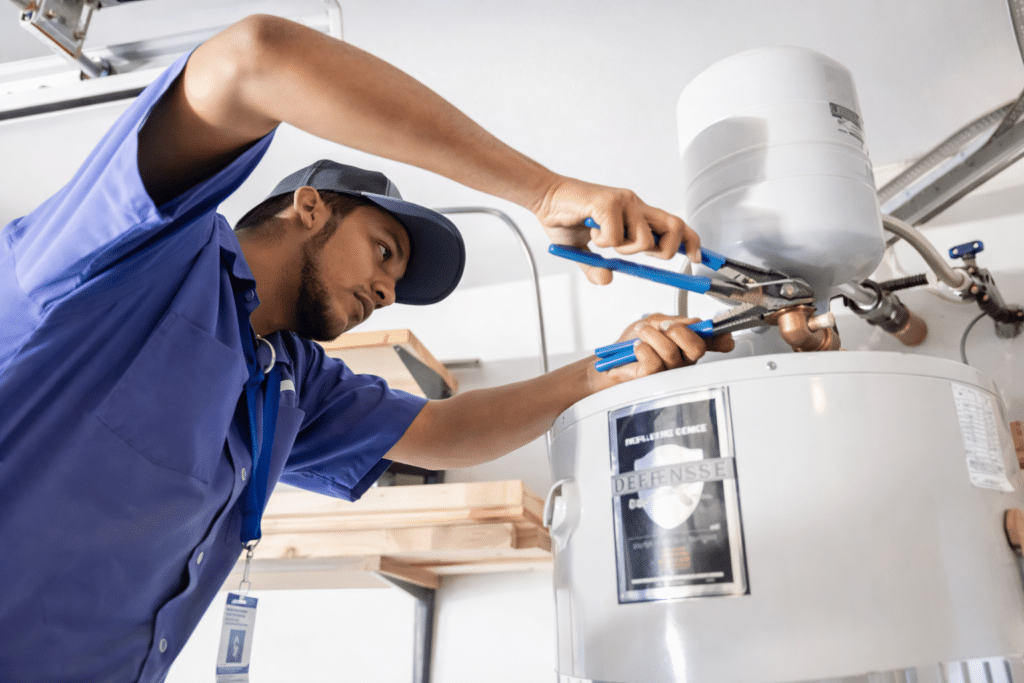
We’ve seen units stuck away in tiny crawl spaces or hidden behind drywall. If our team has to spend an hour just getting to the unit, that extra labor will be reflected in the project costs. We always appreciate it when the area around the heater is clear, as it makes life a lot easier.
Emergency and After-Hours Fees
Plumbing disasters never happen at the wrong time, but they do happen. If you find yourself needing emergency heater repair, be prepared for potential price hikes. Many companies apply a surcharge for holiday or middle-of-the-night calls to cover the extra labor costs.
Permits and Code Requirements
In some areas, a major repair might trigger a requirement for a local permit. This could include adding insulation-rated blankets or an expansion tank. We have to follow these local laws to make sure your brand-new unit or repaired system remains compliant.
Water Damage Restoration
If a leak wasn’t caught early enough, you might face extra costs beyond the plumbing. Water can quickly damage flooring and insulation. We always recommend acting fast at the first sign of moisture to avoid the high costs of drying your home out.
Is It Better to Repair or Replace Your Current Water Heater?
The 10-Year Rule
Most units are designed to last between 8 and 12 years. If your unit is older than a decade, a full replacement is usually the way to go. We often find that incorrectly repairing an ancient unit is just a temporary fix before the next part gives up.
The 50% Cost Threshold
We advise a simple rule: if a repair costs more than half the price of a brand new unit, replacement is the way to go. Investing in a new energy-efficient model will save you more in the long run through lower utility bills and fewer water heater repairs.
How Can Regular Maintenance Lower Your Long-Term Repair Costs?
Annual Tank Flushing
A professional can remove the sediment for a small fee, and it’s worth every penny. By removing the debris that builds up, we prevent the overheating that leads to expensive thermostat or heating element failure.
Temperature Tuning
We highly recommend you dial back your thermostat to 120°F. This simple trick relieves a lot of constant pressure on the system and slows down scale formation on other components, a major plus for your investment.
Cost-Saving Tips for Water Heater Repair
Nobody likes unexpected repair bills, but there are smart ways to keep water heater repairs from breaking the bank. First, don’t ignore small issues; catching leaks, rust, or odd noises early can prevent bigger, more expensive problems down the line.
Make it a habit to check your pressure relief valve and inspect the anode rod regularly; replacing these parts when needed is a cost-effective way to extend the life of your water heater and avoid major repairs.
For those comfortable with basic maintenance, flushing the tank to remove sediment buildup can help your system run more efficiently and reduce wear on key components. If you’re handy, you might even save money by purchasing replacement parts yourself and hiring a pro just for the installation.
However, always weigh the risks, especially with gas water heaters, where safety is paramount. A little preventive care and timely attention can go a long way toward keeping your water heater running smoothly and your repair costs low.
Purchase Parts and Repair: DIY or Pro?
When it comes to water heater repairs, some homeowners consider buying the necessary parts themselves to save on labor costs. This approach can be budget-friendly, especially for straightforward fixes like replacing a heating element or pressure relief valve.
If you’re confident in your DIY water heater repair skills, you might be able to handle minor repairs and save money on labor fees.
However, it’s crucial to make sure you’re purchasing the right parts for your specific water heater model, and that your professional plumber is aware of what you’ve bought to avoid compatibility issues.
For more complex repairs, like replacing a gas control valve or working with gas lines, it’s usually safer and more efficient to let a pro handle both the parts and the repair. Gas heaters, in particular, require specialized knowledge to avoid safety hazards.
Ultimately, while DIY can be tempting for minor fixes, trusting a professional for major heater repair is often the best way to ensure your system is safe and reliable.
New Water Heater Installation: When Repair Isn’t Enough
Sometimes, no matter how many repairs you make, your old water heater just can’t keep up. If your unit is nearing the end of its lifespan or the repair costs are starting to add up, it might be time to consider a new water heater installation.
Upgrading to a new model can be more cost-effective in the long run, especially when you factor in the improved energy efficiency and lower utility bills that come with modern units.
Professional plumbers can help you weigh the pros and cons of repair versus replacement, taking into account the national average cost, your current labor costs, and the age of your existing unit.
They’ll also guide you in choosing the right type of water heater for your home, whether that’s a traditional tank model or a tankless water heater, which offers on-demand hot water and a longer lifespan. Investing in a new water heater can save you money over time and provide peace of mind, knowing you won’t be left in the cold when you need hot water most.
Frequently Asked Questions (FAQs)
How much will a service call to diagnose a pilot light issue cost me?
Many plumbers charge a service call fee. However, we at Plumbing Doctor do not charge a service call fee. Troubleshooting a pilot light generally costs between $115-$275 to replace, although if you’re looking at replacing the thermocouple as well, the grand total can be $300 to $400.
Does repairing a tankless water heater cost more?
Yeah, it usually does. A tankless water heater is essentially a super complex machine, running like a high-powered computer. Repairs are a bit pricey, $1000 or more, because they require super specialized parts and some serious training to service properly.
Got other plumbing costs to think about?
While you’re checking out your water heater, it’s a good idea to take a look at your home’s plumbing infrastructure too. For instance, we get asked a lot about the cost of trenchless sewer line replacement. If you’re in the market for some trenchless sewer line replacement in your area, we can give you an estimate for that big project, too.
Putting The Pieces Together: Taking the Stress Out of Hot Water
Heater repair, it’s never the most fun, but it doesn’t have to be a total disaster either. By getting a handle on what’s normal and what’s not when it comes to cost and failures, you can make a solid decision for your home.
We aim to get you a long-term solution, not just a quick fix. Whether it’s just a valve replacement or a whole new system, we’re in it to keep your water hot and your home dry.
Want us to come take a look and figure out what’s going on with your water heater? Call the Plumbing Doctor, and let’s get that hot water sorted out for you.
Contact us if you are looking for a reliable plumbing service in Chico, Davis, Dixon, East Bay, Elk Grove, Fairfield, Lincoln, Marysville, Oroville, Reno, Sacramento, West Sacramento, Sparks, Vacaville, Winters, Woodland, and Yuba City.