
Why Sewer Blockages Are a Hidden Home Threat
Slow drains and strange gurgling noises from your sink drains or toilets might seem minor, but they’re often early warning signs of bigger plumbing issues. These subtle hints could mean your plumbing system is struggling with one of the most common household problems, a sewer blockage.
When your main sewer line becomes clogged, wastewater has nowhere to go. That leads to unpleasant smells, slow-draining fixtures, and in severe cases, raw sewage backing up into your home.
When your main sewer drain gets blocked, it can affect your entire home, not just a single drain. The resulting sewer backup can cause property damage, contaminate your water supply, and create serious health hazards. Thankfully, most sewer blockage causes can be prevented with a bit of awareness and good maintenance habits.
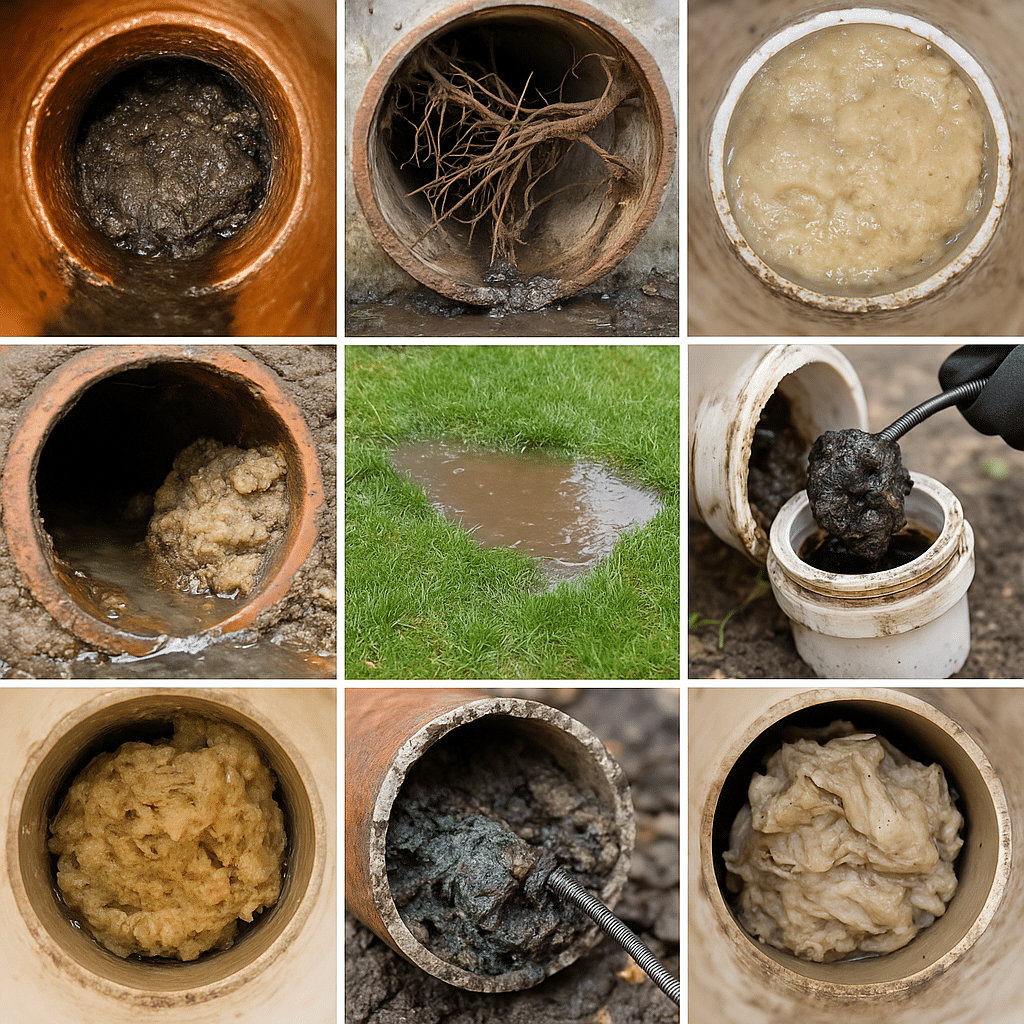
At Plumbing Doctor, we’ve seen everything from tree roots in sewer lines to fat, oil, and grease blockage caused by cooking habits. We’ve cleared clogged sewer lines filled with baby wipes, paper towels, and food waste from kitchen sinks.
With proper preventative measures, you can protect your home’s pipes and keep your water flow steady. Regular maintenance of your home’s pipes is essential to prevent blockages and avoid costly damage to your plumbing system.
What Is a Sewer Blockage?
Your home’s plumbing system works like a network of veins. Every drain, whether it’s from your kitchen sink, shower, or toilet, connects to the main sewer line that carries wastewater away to the municipal sewer system or your septic tank.
A sewer line blockage occurs when debris, grease, tree roots, or scale buildup block the main path, restricting the water flow. Scale buildup from hard water minerals can also accumulate inside pipes, further restricting flow and contributing to blockages.
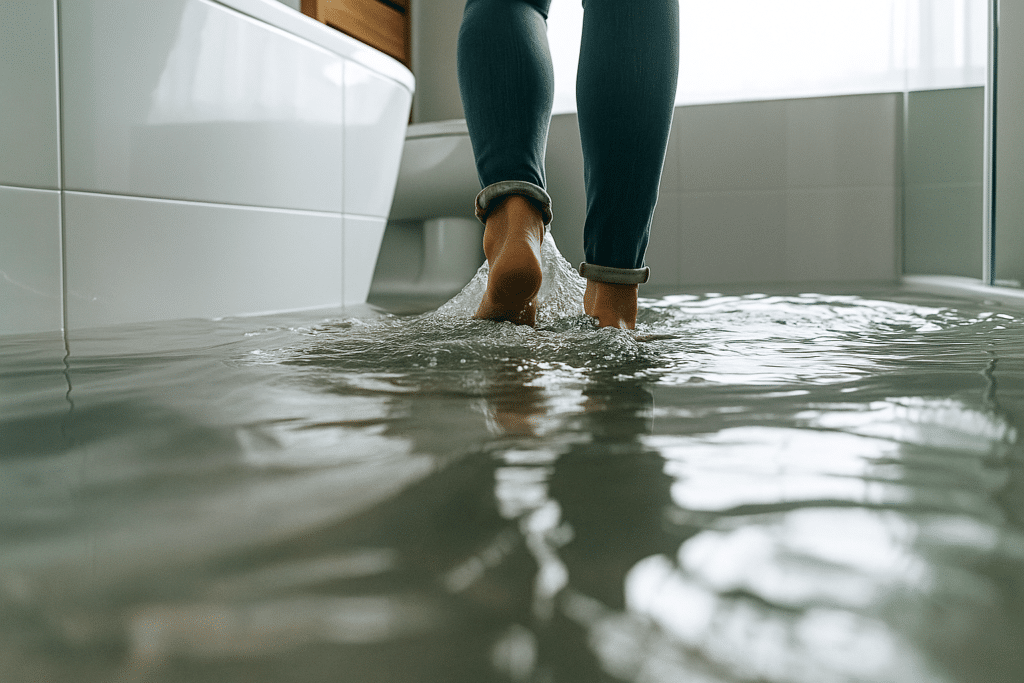
Unlike a clogged drain affecting a single drain or sink, a clogged sewer line impacts your entire home. You might notice several drains slowly draining at once or hear gurgling sounds when water backs up into other fixtures. In severe cases, sewage can push up through floor drains or toilets.
Early warning signs include:
- Water backing up into your bathtub or floor drain
- Foul odors coming from sink drains
- Toilets bubbling or draining slowly
- Multiple fixtures backing up at once
These are all signs that your main sewer lines could have a partial blockage or worse.
Common Causes of Sewer Blockages
Every home is different, but the most common causes of sewer blockages follow predictable patterns. Understanding what causes sewer line blockage can help you prevent major plumbing disasters. If left unaddressed, these issues can wreak havoc on your plumbing system and property, leading to costly repairs and extensive damage.
1. Fat, Oil, and Grease (FOG) Build-Up
One of the leading causes of blocked drains and sewers is fat, oil, and grease buildup. When hot grease from your kitchen sink or garbage disposal cools, it hardens on the inside of your sewer pipes, trapping food particles and soap scum. Over time, this layer thickens and restricts the flow of wastewater, eventually leading to a clogged sewer line.
Common culprits include:
- Butter, cooking oil, and animal fats
- Creamy sauces and gravies
- Food waste, like potato peels or coffee grounds
Prevention tips: Avoid pouring grease or hot oil down the drain. Instead, let it cool and throw it in the trash. Use food strainers or hair catchers in your sink drains to trap debris. Pouring grease responsibly and using boiling water with liquid soap occasionally can help break down small buildups.
Running hot water regularly down your drains helps dissolve grease and soap scum, reducing the risk of clogs. You can also use a combination of baking soda and vinegar as a natural method to help dissolve minor clogs and prevent pipe damage.
Regular drain cleaning using professional tools such as drain snakes can help maintain healthy sewer pipes.
2. Tree Root Intrusion
Tree roots are a major enemy of older pipes. They search for moisture and nutrients and can easily infiltrate small cracks in clay or cast-iron sewer lines. Older homes with clay piping are particularly vulnerable to root intrusion, as this type of piping is more prone to cracks and breaks.
Once inside, root intrusion expands, catching debris and causing complete blockages. This is especially common in older neighborhoods connected to a municipal sewer main.
Warning signs: recurring clogs, slow drains, or sinkholes in your yard. You may even smell unpleasant odors if roots have invaded your main sewer line.
Prevention tips: If you suspect tree roots near your main sewer, schedule a camera inspection. Consider installing root barriers or replacing aging pipes with PVC. Professional plumbers can help prevent further damage before sewer clogs become severe.
3. Foreign Objects and Improper Disposal
Flushing or rinsing the wrong things down the drain is another big reason for clogged sewer lines. Many household items that block sewers include paper towels, sanitary products, hygiene products, and so-called flushable wipes.
These materials don’t dissolve easily and can build up in your sewer line over time. Everyday activities, such as rinsing out a coffee pot or disposing of coffee grounds down the drain, can also contribute to sewer blockages if not done properly.
Common offenders:
- Paper towels and baby wipes
- Feminine hygiene products
- Cotton swabs, dental floss, and hair
- Excessive toilet paper or thick paper products
- Coffee grounds from rinsing out a coffee pot
Prevention tips: Only flush toilet paper, nothing else. Remember, even flushable wipes can cause clogs. Keep a small bin in each bathroom for everything else. These simple habits help prevent clogs in your sewer lines and reduce the risk of a costly sewer backup.
4. Pipe Damage or Collapse
Sometimes the issue isn’t debris, but damaged sewer pipes. Older pipes made from clay or cast iron are more prone to cracking and corrosion.
Shifting soil, ground movement, or heavy traffic above buried pipes can cause misalignment or collapse in your main sewer lines, blocking the water flow completely.
Direct contact from digging or construction activities can also damage pipes and lead to blockages.
Prevention tips: Schedule inspections for older pipes every few years. A professional plumber can use drain snakes and cameras to identify cracks or blockages. Replacing old pipes or using trenchless relining techniques can prevent further damage and maintain smooth drainage.
5. Heavy Rainfall and Flooding
Excessive rainfall can overwhelm the municipal sewer system, especially when storm drains and main sewer lines are connected. Heavy water flow can force debris back up into your pipes, leading to a sewer backup or clogged sewer line.
Prevention tips:
Install backflow preventers and ensure your gutters direct water away from your home. These preventative measures protect your property from flooding and raw sewage backup.
6. Grease Trap or Septic System Malfunction
Homes and restaurants that use a septic system or grease trap need regular maintenance. When neglected, grease, soap scum, and solids can overflow into your main sewer line, causing sewer backups.
Prevention tips: Pump your septic tank regularly and clean grease traps based on usage. It is also important to perform a clean-out of your grease trap or septic system to remove buildup and prevent blockages. Regular maintenance ensures smooth operation of your entire sewage system and prevents clogged sewer lines.
The Importance of Hair Catchers
Hair catchers are a simple yet highly effective tool for protecting your plumbing system from unnecessary clogs and sewer line blockage.
By placing hair catchers in your sink drains, especially in bathroom sinks and shower drains, you can trap hair and other debris before they have a chance to enter your sewer line. This small step can make a big difference in preventing clogged drains and reducing the risk of sewer backups that can affect your entire home.
Regularly cleaning your hair catchers is essential to keep water flowing freely through your drains. While hair catchers are a great first line of defense, they should be used alongside other preventative measures, such as routine drain cleaning and mindful disposal of waste.
Remember, hair catchers help keep your sinks and sewer system clear, but they don’t replace the need for professional maintenance. By combining hair catchers with good plumbing habits, you can keep your drains, sewer line, and entire plumbing system running smoothly.
The Impact of Slow Draining on Your Property
If you notice your sinks, toilets, or showers are draining slowly, don’t ignore it; this is often an early warning sign of a problem in your main sewer line. Slow draining can indicate a partial blockage that, if left untreated, may escalate into a full sewer backup.
When raw sewage backs up into your home, it can cause extensive property damage, contaminate your living space, and create serious health hazards for your family.
Raw sewage exposure can pollute soil, water, and air, leading to environmental and health risks. It also creates the perfect environment for mold and bacteria to thrive, which can worsen respiratory issues and other health problems.
To protect your property and your health, it’s crucial to address slow draining as soon as you notice it. Schedule regular drain cleaning, use only toilet paper in your toilets, and avoid flushing sanitary products or other non-flushable items.
If you experience persistent slow draining, call a plumber immediately to prevent further damage and costly repairs. Taking these preventative measures will help keep your main sewer line clear and your home safe from sewer backups.
Early Warning Signs of a Sewer Blockage
Catching a blockage early can save your home from serious plumbing issues. Look for these warning signs:
- Drains are draining slowly across multiple fixtures
- Water backing up in toilets or bathtubs
- Foul odors or unpleasant smells near floor drains
- Gurgling sounds in the plumbing system
- Overflow from your main sewer line or main sewer drain
If you notice these issues, call a professional plumber immediately to avoid further damage.
How to Prevent Sewer Blockages
Prevention is your best tool against sewer clogs. Here are some practical sewer maintenance tips to prevent clogs and blockages:
- Dispose of grease properly. Let it cool and toss it out.
- Use hair catchers and food strainers to trap debris.
- Flush only toilet paper, avoid wipes and paper towels.
- Avoid pouring grease or coffee grounds into sink drains.
- Schedule annual drain cleaning and inspections.
- Don’t plant trees near sewer lines.
- Install backflow valves and check your main sewer lines regularly.
- Know how to shut off your main water supply in case of a severe blockage or emergency to prevent further damage.
These preventative measures protect your plumbing system and reduce the risk of raw sewage entering your home.
Maintaining Your Sewer System
A well-maintained sewer system is key to preventing clogs, backups, and costly repairs. The most important rule is to only flush toilet paper and human waste, never paper towels, baby wipes, or hygiene products, as these can quickly cause blockages in your sewer pipes.
In the kitchen, avoid pouring grease or food waste down the sink, as these substances can solidify and create stubborn clogs in your main sewer line.
Regular drain cleaning, whether with a drain snake or by hiring professional drain cleaning services, helps keep your pipes clear and your sewer system functioning properly.
Be proactive about external threats as well: suspect tree roots and shifting soil can damage your sewer pipes, leading to root intrusion and blockages. If your property has older pipes or large trees nearby, schedule regular inspections to catch potential issues early.
By taking these preventative measures, watching what goes down your drains, performing routine maintenance, and addressing problems promptly, you can prevent clogs, protect your property from sewer backups, and ensure your sewer system remains in top condition.
Regular attention and quick action are the best ways to avoid property damage and keep your plumbing system running smoothly.
When to Call a Professional
If you’ve tried everything and your drains are still draining slowly or backing up, it’s time to call a professional plumber. Licensed experts from your local plumbing company or plumbers nearby can use advanced tools like hydro jetting and drain snakes to clear clogged sewer lines safely.
Professional plumbers can inspect your main sewer lines, main sewer drain, and septic system, ensuring your entire plumbing system functions properly. They’ll also offer advice on drain cleaning and preventative maintenance.
FAQs About Sewer Blockage Causes
What are the most common causes of sewer blockages?
The most common culprits include fat, oil, and grease buildup, tree roots, and foreign objects like paper towels and sanitary products.
How can I tell if my sewer line is blocked?
Watch for multiple drains draining slowly, foul smells, or gurgling sounds from your plumbing system.
Can tree roots really damage sewer lines?
Yes, tree roots can enter cracked sewer pipes and expand, causing a complete sewer line blockage.
How do I prevent sewer blockages at home?
Avoid pouring grease, flush only toilet paper, and have regular drain cleaning done by professionals.
Should I use drain cleaners for sewer blockages?
No. They can corrode older pipes and worsen the problem. Call a professional plumber instead.
What’s the difference between a drain blockage and a sewer blockage?
A drain blockage affects a single drain, while a clogged sewer line impacts multiple fixtures across your entire home.
Conclusion: Don’t Wait for the Worst to Happen
Sewer blockages can start small but quickly escalate into major plumbing problems. A bit of soap scum or grease in the pipes can lead to full-blown sewer backups if ignored. The key is awareness and preventative maintenance. By understanding sewer blockage causes and taking simple steps like regular inspections, you can keep your plumbing system healthy.
When you notice water backing up or draining slowly, or you suspect tree roots in your sewer lines, schedule a sewer inspection with Plumbing Doctor, your trusted plumbing company. Together, we’ll protect your home from clogged sewer lines, raw sewage backups, and costly repairs.
Let’s chat if you are looking for a reliable plumbing service in Chico, Davis, Dixon, East Bay, Elk Grove, Fairfield, Lincoln, Marysville, Oroville, Reno, Sacramento, West Sacramento, Sparks, Vacaville, Winters, Woodland and Yuba City.