
We have all been there, standing in the kitchen or the basement, staring at drains that simply refuse to cooperate. There is a specific kind of dread that sets in when the plunger fails, and you realize the problem is deeper than a simple clog.
It is often a sign of trouble hidden within the labyrinth of sewer pipes beneath your foundation or yard. In the past, solving a mystery like this involved a shovel, high labor costs, and a lot of prayer.
We would watch helplessly as a crew tore up a lawn just to find a single crack or a stubborn knot of tree roots. Fortunately, we at Plumbing Doctor utilize technology that allows us to see through concrete and soil without breaking a sweat.
A sewer camera inspection is essentially the “MRI” of the plumbing system, offering a non-invasive look into the dark heart of your home’s sewer system. We believe that understanding what to expect during a sewer camera inspection is the first step toward reducing stress in home maintenance.
In this guide, we will walk you through how our licensed plumbers use high-tech tools to save you time and money.
Sewer System Connections and Layout
A well-functioning sewer system depends on the seamless connection and layout of its key components. At the heart of your home’s plumbing system is the main sewer line, which acts as the primary channel carrying wastewater from your house to the municipal sewer system or septic tank.
Branching off from this main line are various sewer pipes that collect water from sinks, toilets, and drains throughout your property. The sewer cleanout, typically located at ground level or in a basement, provides direct access to the main sewer line for maintenance and inspections.
Understanding how these parts fit together is essential for identifying potential problems before they become major headaches. Over time, issues such as root intrusion, cracks, and stubborn blockages can develop in sewer pipes, often hidden from view.
That’s where a sewer camera inspection becomes invaluable. By sending a specialized camera through the cleanout and along the line, licensed plumbers can closely examine the interior condition of your sewer pipes.
This process allows them to pinpoint the exact location of any cracks, blockages, or other damage, making it possible to recommend targeted repairs and avoid unnecessary digging or costly repairs.
A clear picture of your sewer system’s layout not only helps in diagnosing current issues but also in preventing future ones. Regular inspections can catch small problems, like minor root intrusion or early-stage cracks, before they escalate into significant damage that threatens your home’s foundation or leads to expensive repairs.
By allowing plumbers to see inside your sewer line, you gain peace of mind knowing your plumbing system is protected and functioning efficiently.
Where does the technician start the inspection?
Locating the access point: Finding the main cleanout
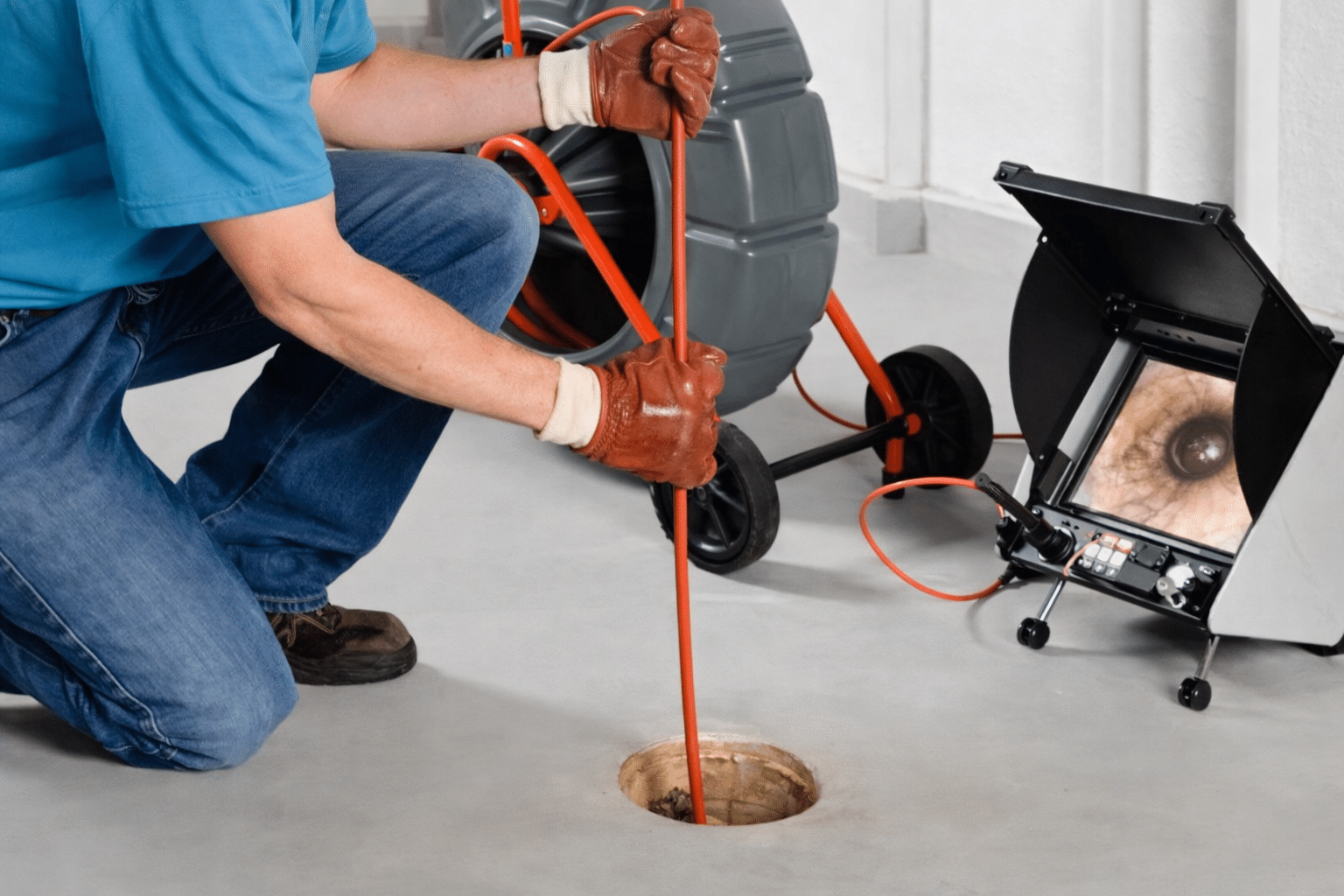
When our professional service team first arrives at your property, we aren’t going to start digging holes in your landscaping. Instead, we begin with a visual scout of your house to find the entry door to your main sewer line. This is known as the sewer cleanout, a dedicated port designed for direct access to the line.
This cleanout pipe is typically a capped opening, about four inches in diameter, that connects to the rest of the sewer system. Depending on the age of your home, we might find this in a few different locations across the property. In newer builds, it is often a white PVC pipe sticking up near the ground level in the front yard.
Indoor vs. Outdoor access
If you live in one of the many charming older homes in California, our search might take us indoors. We often look for a cast-iron or brass plug located in the basement or crawlspace near where the drains exit the house. While we prefer outdoor access to keep equipment out of your living area, our experienced technicians are prepared for both.
Finding this location is crucial because it allows plumbers to inspect the line without removing toilets or cutting into walls. If a cleanout isn’t visible, we may occasionally use a roof vent or even a septic tank access point to gain entry. Our goal is always to minimize disruption to your daily routine while ensuring we get a clear view of the interior condition.
Removing the cap: Preparing the line
Once we have located the sewer cleanout, we prepare the area to ensure the process remains clean and professional. Removing a cap can occasionally be a bit pressurized if there is a major backup occurring behind it. We take every precaution, using protective cloths and specialized tools, to open the line without causing any mess in your yard or house.
We pride ourselves on the fact that a video inspection is a contained diagnostic tool that leaves your property spotless. By entering through the cleanout, we keep all the debris and water exactly where it belongs, inside the pipe. Once the cap is off, we are ready to deploy the technology that makes Plumbing Doctor a leading plumbing company.
How does the sewer camera technology work?
The High-Def Camera
You might be wondering how a tiny camera can survive the harsh, wet, and often abrasive environment of a sewer line. The answer lies in the specialized engineering of our waterproof, self-leveling lenses that provide a high-definition image. This isn’t your average webcam; it is a rugged piece of industrial equipment designed for extreme conditions.
The camera head is surrounded by high-intensity LED lights that illuminate the pitch-black interior of the sewer pipes. This turns a dark, underground tunnel into a brightly lit studio on our professional monitor. Because the lens is self-leveling, the image stays upright no matter how the camera rotates, making it easy for you to see potential problems.
The Push Rod
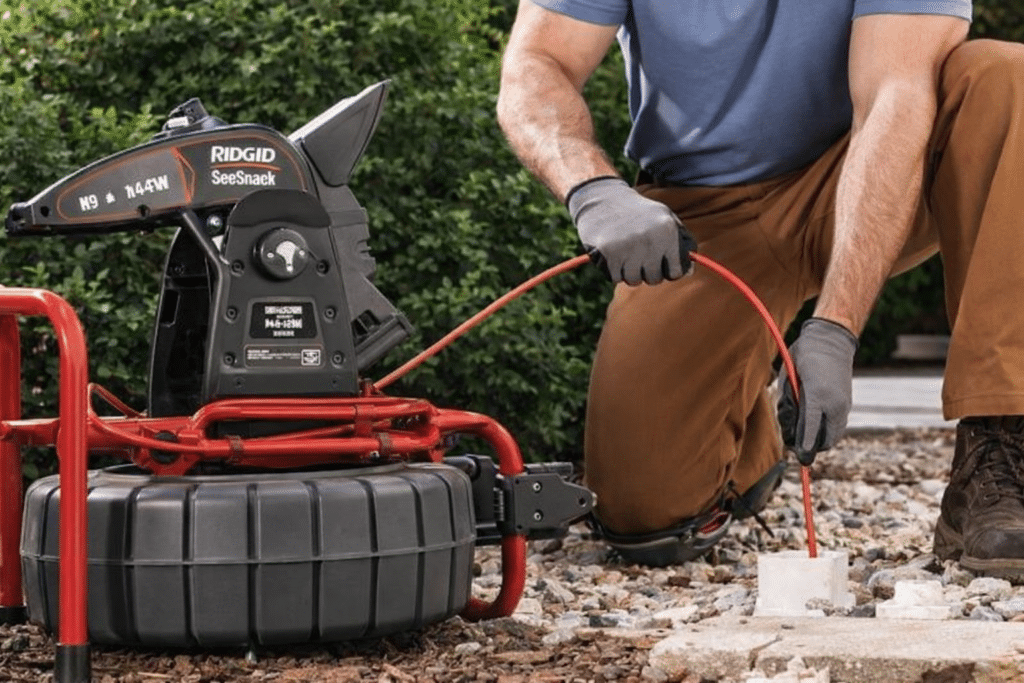
To navigate the camera through your plumbing, we use what is known as a push rod system. This is a flexible, fiber-optic cable that is both incredibly strong and impressively nimble for navigating twists and turns. It is designed to be pushed hundreds of feet toward the municipal sewer system while navigating 45-degree and 90-degree bends.
As we feed the cable into the line, the rod acts as the spine of the operation, transmitting video data back to us. It allows us to feel for resistance while the camera helps us identify problems that are causing your sewer issues. This combination of tactile feedback and visual data is what makes real-time plumbing diagnostics so effective for our team.
The Monitor Setup
While the camera is underground, the real magic is happening above ground on our mobile monitor setup. This live feed is transmitted instantly to our screen for real-time viewing while we work on your property. We always encourage our clients to stand with us and watch the footage as it happens.
The monitor also tracks the exact distance the camera has traveled into the sewer line. If we spot a leak or a break 42 feet into the line, the monitor tells us the exact location of that fault in your yard. This precision eliminates the guesswork and prevents costly repairs that come from digging in the wrong spot.
What will the plumber look for in my pipes?
Tree Root Intrusion
The most common villain we encounter at Plumbing Doctor is undoubtedly root intrusion in the main line. Even the smallest cracks in a pipe joint can release moisture that attracts thirsty roots from nearby large trees. Once a tiny root hair finds its way inside, it begins to grow rapidly into a massive, stubborn blockage.
During the sewer inspection, we can see exactly where these roots have entered and how much of the pipe they occupy. Roots act like a net, catching grease, toilet paper, and debris until the sewer system is completely choked off. Identifying this early can save you from a total pipe collapse and expensive emergency plumbing services.
Structural Damage
Beyond roots, we are on high alert for physical structural damage like cracks, holes, or offset sewer pipes. An offset occurs when two sections of pipe shift out of alignment, often due to shifting soil or ground settling. This creates a lip that catches solids and leads to recurring, frustrating backups for the homeowner.
We also look for collapsed sections where the pipe has simply given way under the weight of the earth or concrete. In many older homes, we find cast iron pipes that have corroded or Orangeburg pipes that have flattened. Seeing the structural integrity of the line allows us to recommend the most durable sewer repairs possible.
Buildup and Blockages
Sometimes the problem isn’t the pipe itself, but what has accumulated inside it over the years. We look for significant blockages caused by grease, “flushable” wipes, and heavy mineral scale. Scale is a crust that grows on the inside of pipes, narrowing the opening and restricting water flow.
These blockages slow down the drains and can cause unpleasant odors to waft back into your house. By identifying the specific type of buildup, we can determine if a simple drain cleaning is the final answer. Often, a professional hydro jetting service is all that is needed to restore the pipe to like-new condition.
Pipe Bellies
A “belly” is a low spot in the line where the pipe has sagged, creating a valley where water and waste collect. Gravity is supposed to do the work in a sewer line, but a belly stops that process cold. These are particularly tricky because they aren’t clogs in the traditional sense, but they cause constant sewer line problems.
- Tree Roots: The primary cause of sewer failures we see in established neighborhoods.
- Cracked Joints: Often caused by the house settling or shifting soil over time.
- Scale Buildup: Common in older cast iron pipes that have oxidized over many decades.
- Pipe Bellies: Sagging sections that require precise video inspection to locate.
How long does a sewer camera inspection take?
Typical Duration
We know your time is valuable, which is why we aim for efficiency without sacrificing thoroughness. Most standard residential sewer camera inspections take between 30 and 60 minutes from start to finish. This includes the initial setup, the actual scope of the main line, and the final cleanup.
Factors Affecting Time
Several factors can influence how long we spend at your property. The length of the line is the biggest variable; if your house sits far back from the street, we have more ground to cover. Additionally, if the pipe is heavily filled with debris, we move more slowly to ensure we don’t miss any significant damage.
What happens after the camera comes out?
Reviewing the Footage
Once the camera is back in our service truck, we don’t just hand you a bill and disappear. We sit down with you to review the findings on the monitor, explaining the why behind your recent sewer problems. We believe that seeing the problem with your own eyes makes the repair process much easier to understand.
The Final Report
At Plumbing Doctor, we provide our clients with a clear, professional summary of the main sewer line condition. We can provide a digital link containing the full video inspection of the sewer. This is a vital document for insurance claims or for your records if you ever decide to sell the property.
Repair Recommendations
Finally, we transition from the inspection phase to the solution phase to get your plumbing system back to normal. Whether it’s hydro jetting to clear grease or trenchless sewer repairs to fix a break, we provide a clear roadmap. Our goal is to move from diagnosis to a permanent fix as quickly and affordably as possible.
FAQs
Why is a sewer camera inspection necessary?
It removes the guesswork for our plumber, allowing us to see the exact cause and location of a problem without digging up your yard.
Can a sewer camera find a leak?
While a camera can see cracks and holes, it doesn’t always show the water damage occurring outside the pipe. However, it is the best tool to locate structural defects that lead to a leak.
Is the inspection messy for my home?
No. Since the camera goes directly into a cleanout, the process is very clean and entirely contained within your sewer system.
Will I get a copy of the video?
Yes! We provide a digital record of the footage so you have proof of the pipe’s condition for your records or insurance.
Conclusion
At the end of the day, a sewer camera inspection is about more than just pipes; it’s about peace of mind. We have seen how much stress a mystery backup can cause, and we are proud to offer a service that brings clarity to the chaos. By using the latest technology at Plumbing Doctor, we ensure that your most vital system stays healthy for years to come.
Whether you need routine maintenance or are searching for the best plumbers near me for an urgent issue, we are here to help. We offer additional services to ensure every part of your home, from the toilets to the municipal connection, is flowing perfectly. Don’t let hidden sewer problems turn into a disaster for your house or yard.
Ready to stop the guesswork and see exactly what’s happening underground? Visit us at PlumbingDoctor.com today to schedule your professional sewer camera inspection and protect your home’s foundation!
Contact us if you are looking for a reliable plumbing service in Chico, Davis, Dixon, East Bay, Elk Grove, Fairfield, Lincoln, Marysville, Oroville, Reno, Sacramento, West Sacramento, Sparks, Vacaville, Winters, Woodland, and Yuba City.