
Sewer problems often begin with symptoms that seem easy to dismiss. A sink drains a little slower, a toilet makes an odd sound, or an unpleasant odor appears near a floor drain and then disappears.
These issues do not always mean your sewer pipe is damaged. However, recurring backups, multiple slow drains, gurgling sounds, sewage odors, and wet patches in the yard are all signs that the main sewer line may need professional attention.
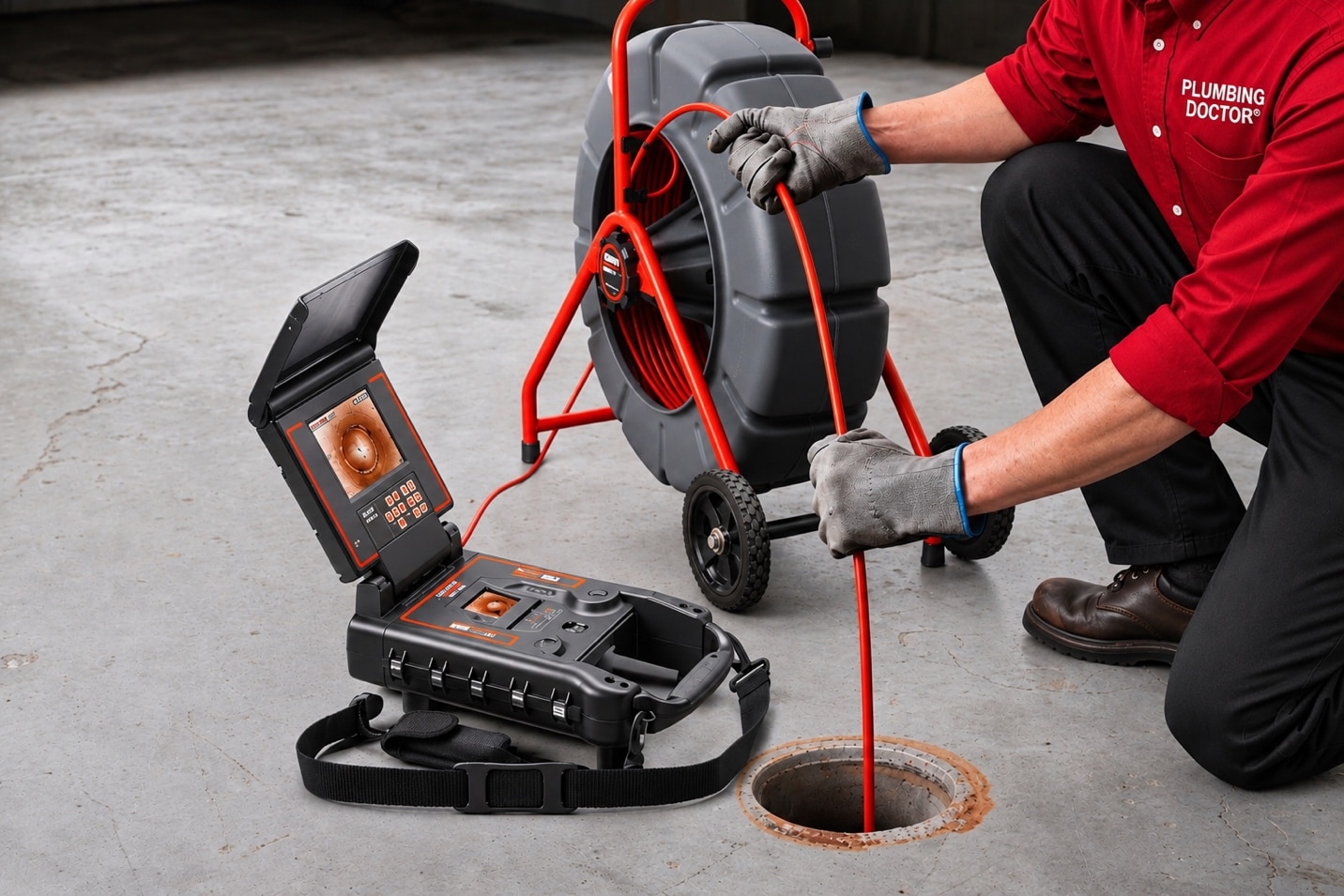
A sewer video inspection gives us a clear view inside the line. It can identify blockages, cracks, leaks, tree-root intrusion, corrosion, pipe misalignment, and other structural problems without digging up the property simply to find the cause.
How Can You Tell Whether the Problem Is in One Drain or the Main Sewer Line?
A drain line carries wastewater away from an individual fixture, such as a sink, shower, tub, toilet, or appliance. These smaller drain lines connect to the main sewer line, which carries wastewater away from the entire property.
When only one drain is affected, the problem may be limited to that fixture or its nearby drain line. For example, a single sink may drain slowly because something has collected near that fixture.
The situation becomes more concerning when toilets, sinks, tubs, and showers all start acting up at once. In our experience, a blocked main line often causes fixtures across the whole home to malfunction together.
It’s also worth watching how fixtures respond to one another. We consider water bubbling into a tub right after a toilet flush one of the clearest warning signs of a clogged main sewer line.
Connected symptoms like these usually point to something deeper than one local drain. Rather than treating each fixture separately, we recommend a professional inspection to pinpoint the actual restriction.
Multiple Slow Drains Are a Common Warning Sign
Multiple slow drains are a common warning sign of a main sewer line clog. When several fixtures lose drainage speed at once, wastewater may be struggling to pass through a shared section of the system.
A slow drain may not appear serious at first. If the problem affects more fixtures over time or returns after the drain has been cleared, it may be time to investigate the main line.
We see a handful of causes come up again and again:
- Grease buildup
- Hair and other debris
- Excessive toilet paper
- Coffee grounds
- Food waste
- Tree-root intrusion
- Deteriorating or damaged pipes
Grease is especially troublesome because it can cool and harden inside the pipe. As the opening becomes narrower, other waste and debris may collect around it and make the blockage worse.
Tree roots can also enter small cracks in older sewer pipes as they search for moisture. Once inside, they can restrict wastewater flow and may contribute to further pipe damage.
A camera inspection shows us exactly where the clog sits and why it keeps coming back, which is a lot more useful than clearing the same drain repeatedly without knowing whether the obstruction is actually gone.
Recurring Drain Clogs Are Worth Inspecting
A clog that keeps returning may indicate that a temporary fix hasn’t reached the underlying problem. Plungers and store-bought plumbing snakes may help with small clogs, but these tools rarely address deeper sewer issues.
Using equipment in the wrong place can also damage older pipes or push a blockage farther into the drainage system. Forcing a tool through the line is not the same as understanding what is causing the obstruction.
Recurring clogs are often linked to buildup, roots, pipe damage, or another restriction inside the line. A video inspection lets our technician see the pipe’s actual condition before recommending cleaning or repair.
If you’re searching for plumbers near me because the same clog keeps coming back, ask about inspection before another round of clearing; identifying the actual cause determines which service you need.
Are Sewage Backups a Sign of a Main Sewer Line Problem?
Wastewater backing up into a shower, tub, or floor drain is a strong warning sign. A blocked main line can affect several fixtures at once and force contaminated water back into living areas.
A backup may first appear through a low drain because wastewater can no longer move through the line as intended. For example, water may bubble into a bathtub after a toilet is flushed.
Backed-up or overflowing drains may damage floors, walls, furniture, and other parts of the property. Standing water and sewage backups can also create an unsanitary environment that requires professional attention.
If wastewater begins entering the property, stop adding unnecessary water to the system. Continuing to use toilets, sinks, showers, or appliances may send more wastewater toward the blockage.
Keep people and pets away from the affected area and contact a professional. The immediate goal is to identify where the line is blocked and determine the safest way to restore proper flow.
Why Are the Toilets and Drains Gurgling?
Gurgling sounds from toilets or drains can occur when air becomes trapped by a blockage. We treat unusual gurgling as one of the more common early warning signs of a clogged sewer line.
A single sound does not always confirm a main-line problem. The pattern becomes more important when gurgling occurs repeatedly, affects several fixtures, or appears with slow drainage.
You may notice a toilet gurgling when water drains elsewhere in the home. A sink, shower, or floor drain may also make bubbling sounds while another fixture is being used.
That pattern usually means water and air aren’t moving freely through the drainage system. A camera inspection tells us whether a clog, root intrusion, or damaged section is behind it.
Persistent Sewer Odors Are Worth Investigating
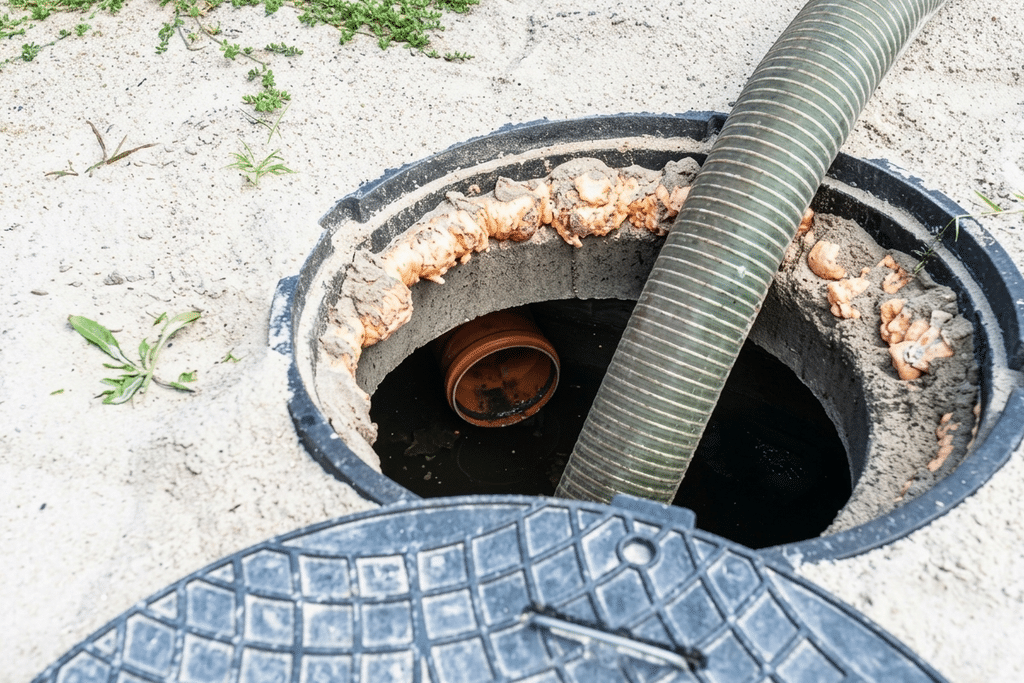
Unpleasant odors near drains or in a basement can be signs of a sewer line problem. We include foul odors among the warning signs that a sewer line may need professional attention.
An odor may appear near a floor drain, sink, or another part of the drainage system. It may also occur with slow drains, gurgling fixtures, or repeated backups.
Cleaning the visible drain or covering the smell will not resolve a deeper blockage. If the odor returns, the source may be farther inside the sewer or drainage system.
Pay attention to where the smell is strongest and whether it appears after certain fixtures are used. This information helps us understand which part of the system may need inspection.
Don’t write off a persistent sewage smell as a minor inconvenience. A camera inspection can pinpoint the blockage, leak, crack, or other issue behind it.
Can Wet Patches in the Yard Point to a Sewer Problem?
Standing water or unexplained wet patches above the sewer line may point to an underground leak or break. We list wet areas in the yard among the visible warning signs of a sewer issue.
The location of the wet patch matters. Moisture around the sewer cleanout or along the route of the main sewer line may justify closer investigation, especially when there has been no obvious reason for the ground to remain wet.
Outdoor moisture alone does not confirm that the sewer line is damaged. Irrigation, rainfall, and other water sources may cause similar conditions.
The warning becomes more meaningful when a wet patch appears with unpleasant odors, slow drains, or indoor backups. In that case, an inspection is the most reliable way to confirm whether there’s a leak or broken section underground.
We also use electronic line-location equipment to find sewer lines, including deep ones, without unnecessary digging, useful for locating the line before any further work is planned.
You Don’t Need an Active Backup to Schedule an Inspection
You do not have to wait for wastewater to enter the property before inspecting the sewer line. We recommend camera checks and inspections as part of proactive sewer care, not just as a response to an emergency.
A sewer inspection may be useful when the line’s condition is unknown or when drainage problems keep returning. It can also support planning before a problem becomes a more disruptive emergency.
Property transactions are another reason to consider an inspection. A sewer video inspection can give you clearer information and more confidence during a property sale.
An inspection may be worth considering when:
- Several drains have started slowing down.
- A clog returns after the line has been cleared.
- Toilets or drains repeatedly make gurgling sounds.
- Unpleasant sewer odors continue to return.
- Wastewater has backed up into a low fixture.
- Wet patches appear above the sewer line.
- The property is being prepared for a sale.
- The pipe’s condition or repair history is unclear.
These situations do not automatically mean that the sewer line must be replaced. They simply provide a reason to look inside the pipe and identify its current condition.
What Happens During a Sewer Camera Inspection?
During a sewer video inspection, a high-resolution camera attached to a flexible cable is inserted into the sewer line. The camera transmits a live feed to a monitor so the technician can view the inside of the pipe.
This provides a clear picture of the line without relying on guesswork or digging simply to locate the problem. It can also help the technician identify the position and nature of the issue more accurately.
An inspection may reveal:
- Blockages
- Cracks
- Leaks
- Tree-root intrusion
- Pipe corrosion
- Misaligned pipe sections
- Broken pipes
- Offsets or pipe separations
- Other structural issues
The findings help distinguish between a clog that may require cleaning and physical pipe damage that may require repair. This prevents every sewer problem from being treated the same way.
A sewer inspection also lets repair or maintenance work focus on the identified issue. The appropriate next step depends on what the camera shows and the condition of the pipe.
An Inspection Doesn’t Automatically Mean Replacement
No. Scheduling a sewer video inspection does not automatically mean the pipe needs to be replaced.
The camera may find a blockage that can be cleared through professional sewer and drain cleaning. We handle drain problems ranging from smaller clogs to major sewer backups.
For stubborn or recurring buildup, the recommended service may be hydro jet sewer cleaning. Hydro jetting uses pressurized water to remove grease, sludge, roots, and other material from inside the pipe.
We always inspect the line before hydro jetting, particularly on older pipes; it has to be assessed first to confirm it can handle the pressure.
If the inspection shows a broken or badly damaged sewer line, repair or replacement may be necessary. We offer trenchless sewer replacement, designed to reduce the need for major excavation.
The important point is that the camera findings guide the recommendation. Inspection comes first so that cleaning, repair, or replacement can be based on visible evidence.
Simple Habits Reduce the Risk of Future Blockages
Good drain habits can help reduce the amount of grease and debris entering the sewer system. They cannot prevent every pipe problem, but they may lower the risk of avoidable buildup.
We recommend a few practical habits:
- Do not pour grease or coffee grounds down the sink.
- Use drain screens to catch hair and debris.
- Flush only toilet paper down the toilet.
- Put wipes and paper towels in the trash.
- Avoid overloading the garbage disposal.
- Locate and keep the sewer cleanout accessible.
- Arrange professional maintenance when appropriate.
Property owners should also take repeated warning signs seriously. A slow drain that continually returns may need more than another temporary treatment.
Professional cleaning and routine inspection can help uncover problems that are difficult to identify from above ground. The correct schedule will depend on the sewer line’s age, condition, and history of blockages.
Choosing the Right Company for a Sewer Inspection
A sewer inspection should give you useful information about the condition of the pipe and the location of the problem. The purpose is to replace guesswork with a clear view of what’s happening inside the sewer line.
When choosing a plumbing company, ask how the line will be inspected and how the findings will guide the next step. You should understand whether the issue appears to require cleaning, monitoring, repair, or replacement.
As Plumbing Doctor®, we’ve been in business for over 40 years, serving residential and commercial customers in our listed California and Nevada communities. Our sewer camera inspections are designed to identify blockages and pipe damage without unnecessary exploratory digging.
We also use Up-Front Menu Pricing; the exact job price is presented before approved work begins, so you know the cost before moving forward.
Frequently Asked Questions
What are the most common signs you need a sewer inspection?
Recurring clogs, multiple slow drains, gurgling fixtures, foul odors, backups, and wet patches in the yard are the most common signs.
One of these on its own isn’t necessarily urgent, but if you’re noticing two or more together, or the same problem has already returned once, it’s worth scheduling an inspection rather than waiting for it to escalate.
Can gurgling toilets indicate a sewer line problem?
Yes, trapped air from a blockage is the usual cause. An occasional gurgle isn’t cause for alarm, but if it happens every time you run water somewhere else in the house, or across more than one fixture, that pattern is worth having inspected before it turns into a full backup.
Does a sewage smell mean the sewer line is damaged?
Not necessarily. A dry P-trap or a plumbing vent issue can also cause a sewage smell, and those are simpler fixes than a damaged sewer line. The smell alone doesn’t tell you which one it is; a camera inspection does.
Should you get a sewer inspection before selling a property?
It’s worth considering. Sewer issues are the kind of thing that can stall a sale or come up during a buyer’s own inspection. Having your own video inspection done ahead of time means you already know the condition of the line and won’t be caught off guard by a buyer’s report.
How soon can we get to your property?
We offer standard service Monday through Saturday, with technicians available evenings and Sundays for emergencies. In most cases, we can respond the same day you call.
Get Clear Answers About Your Sewer Line
Recurring clogs, gurgling fixtures, unpleasant odors, and slow drains shouldn’t leave you guessing about the condition of your sewer line. A professional sewer video inspection can identify the cause without unnecessary exploratory digging.
We’re Plumbing Doctor®, and we provide sewer inspection services throughout our confirmed Chico, Davis, Dixon, East Bay, Elk Grove, Fairfield, Lincoln, Marysville, Oroville, Reno, Sacramento, West Sacramento, Sparks, Vacaville, Winters, Woodland, and Yuba City.
If you’ve noticed one or more of these warning signs, contact us to arrange an inspection and find out which next step is right for your sewer line