
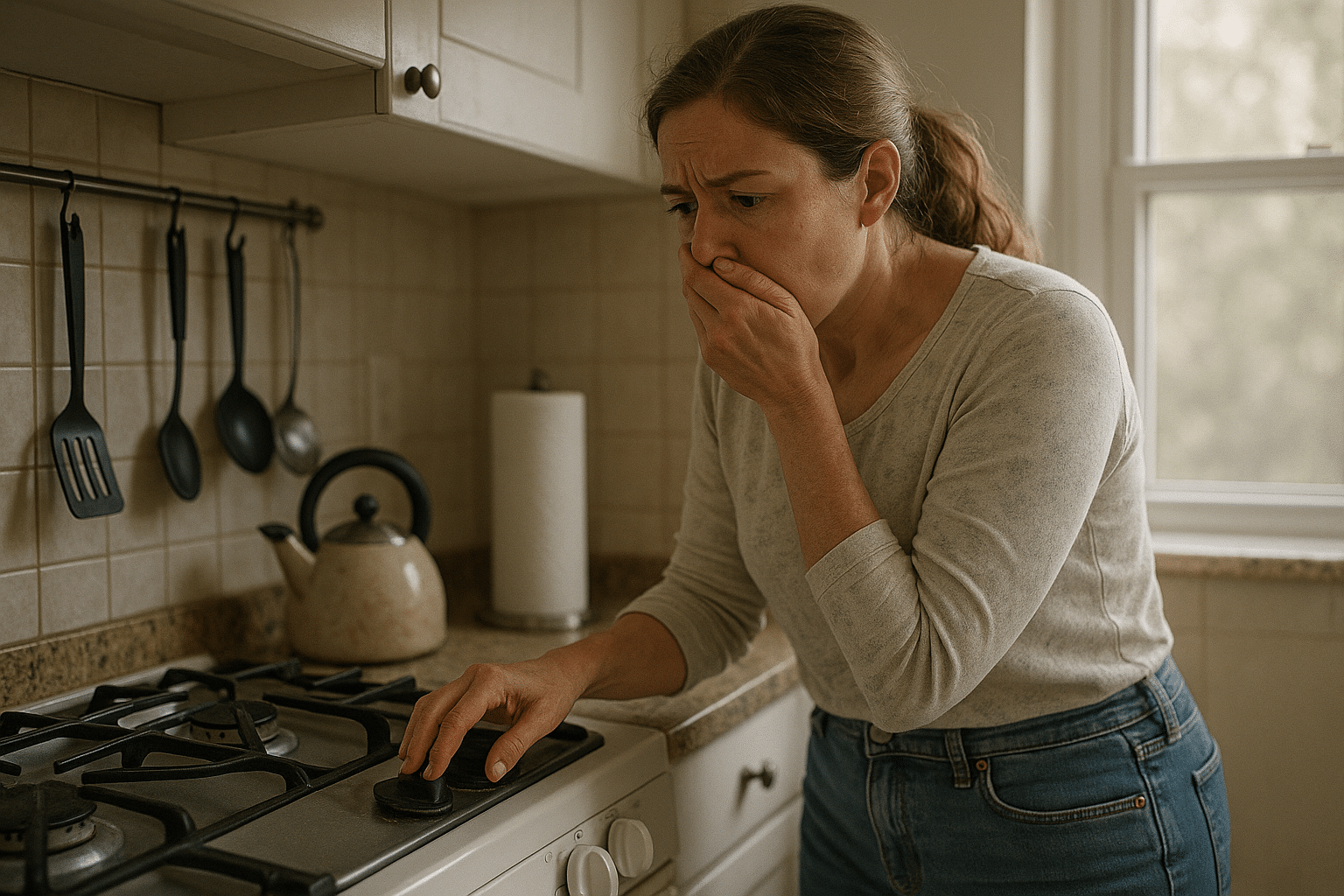
It starts with a faint scent, something like rotten eggs. You walk past the stove, assuming it’s nothing. But then you notice the hissing sound, almost like a whisper. That’s when your gut tightens. Something isn’t right.
Gas line problems aren’t just inconvenient. They’re dangerous. And when it comes to the safety of your home and family, there’s no room for guesswork.
This complete guide to gas line repair is built to walk you through every stage, from spotting early signs of gas line damage to choosing the right gas line installation method, and everything in between. Let’s take the fear out of gas line issues by giving you real answers, practical advice, and the confidence to act quickly and smartly.
Why Gas Line Repair Matters
We rely on natural gas more than we realize, from heating and cooking to powering gas appliances. But the flip side of that convenience is risk. A damaged or leaking gas line doesn’t just mean a broken appliance; it can lead to fire, explosion, or carbon monoxide poisoning.
A break in the gas line is a particularly dangerous situation that requires urgent repair to prevent leaks, pressure issues, or serious safety hazards.
When gas piping systems are neglected or improperly repaired, the danger multiplies. That’s why timely gas line repair and regular inspections aren’t just good ideas, they’re essential safety measures.
At Plumbing Doctor, we believe in a proactive approach. The sooner you spot gas line problems, the safer and more affordable your solution becomes.
Warning Signs You Can’t Afford to Miss
Not every gas leak announces itself loudly. Sometimes, the clues are subtle. Other times, they’re impossible to ignore. Either way, knowing the red flags can save your life.
- Unusual Smell: Natural gas is odorless, but utility companies add mercaptan to give it a distinctive rotten egg smell. This odor is often described as similar to sulfur, and noticing a sulfur or rotten egg smell in your home is a key indicator of a gas leak.
Top Signs of a Gas Line Leak
- Unusual Smell: Natural gas has no scent, but a chemical called mercaptan is added to help you smell gas. It creates a strong rotten egg smell that’s easy to identify.
- Hissing Sound: A soft, continuous hissing sound near gas appliances or a pipe could mean gas is escaping under high pressure.
- Dead or Dying Plants: If vegetation around an underground gas line suddenly turns brown, gas could be displacing oxygen in the soil.
- Spiking Utility Bills: A gas leak means your gas supply is constantly escaping, even when appliances are off.
- Bubbles in Standing Water: Outdoor gas leaks near the foundation can cause bubbling in puddles or moist ground.
These signs are your early warning system. If you spot any of them, don’t wait, act.
What to Do If You Suspect a Leak
Gas leaks aren’t DIY situations. If your instincts are telling you something is off, trust them.
Immediate Actions to Take
- Evacuate the Area: Get everyone out of the house or building fast. Don’t stop to grab things.
- Do Not Use Electronics: Avoid flipping switches or using phones, which can trigger sparks in areas with leaking gas.
- Shut Off the Gas: If it’s safe to do so, shut the main gas valve to stop the flow.
- Call for Help: Contact your gas company and a licensed plumber. If it’s an emergency, call 911.
Safety comes first. Never re-enter the property until a professional plumber gives the all-clear.
For urgent situations, check out our emergency plumbing services for immediate support.
Repair vs. Replacement: Which Do You Need?
One of the most common questions homeowners ask is: Can a gas line be repaired, or do I need a full replacement? The answer depends on the location, size, and severity of the gas line damage.
The costs of fixing or replacing gas lines can vary widely, and other factors such as the age of the pipes and the extent of the damage will also influence whether repair or replacement is the best option.
When a Repair Is Enough
If the issue is minor, like a small puncture, corroded section, or loose connections, gas leak repairs or patching may be all you need. In many cases, we can fix gas leaks or repair a gas pipe without major excavation.
Trenchless solutions like CIPP (Cured-In-Place Pipe) allow us to restore natural gas lines from the inside. It’s fast, minimally invasive, and cost-effective.
When Replacement Is the Safer Option
If you’re dealing with widespread corrosion, rust, natural wear, or outdated materials like galvanized steel or black iron, or rusted gas lines, full gas line replacement is safer. Damaged gas lines with multiple weak points increase the risk of future leaks.
Sometimes a simple repair can lead to additional repairs down the road. If the entire line is compromised, it’s smarter to install a new one from scratch.
Understanding the Repair Process
Let’s walk through what a standard gas line repair or pipe replacement might look like.
A pressure test is then performed to determine whether the repair has resolved all leaks and the system is safe.
Trenchless Relining Methods
- CIPP (Cured-In-Place Pipe): A flexible resin-coated liner is inserted into the damaged gas line and hardened to form a new internal pipe.
- SIPP (Sprayed-In-Place Pipe): A special epoxy coating is sprayed along the inside of the gas pipe, sealing it and preventing future leaks.
These modern tools are especially helpful when dealing with a buried line or complex gas system layout.
Pipe Replacement Steps
- Access the Line: Locate and uncover the affected gas line.
- Cut and Remove: Remove the section of damaged gas lines.
- Install New Pipe: Replace with approved gas piping that can handle high pressure and future demands.
- Seal and Test: Perform a thorough pressure test to ensure no leaks remain.
Every repair job is unique, but the goal is always the same: restore safety and functionality without unnecessary disruption.
What Happens During Emergency Gas Line Repair?
In a gas emergency, there’s no time to waste. Our emergency gas line repair protocols are designed for speed, precision, and safety. Emergencies can include situations where a gas line has suffered a tear, which requires immediate professional attention.
Here’s What We Do Right Away:
- Shut off the gas supply quickly using shut-off valves
- Contain the leak and assess gas line damage
- Dispatch licensed plumbers with tools for same-day line repair
Our crew handles everything from diagnostics to gas leak containment, so you don’t have to worry. Emergency service should never mean delayed help.
Why Professional Help Is Non-Negotiable
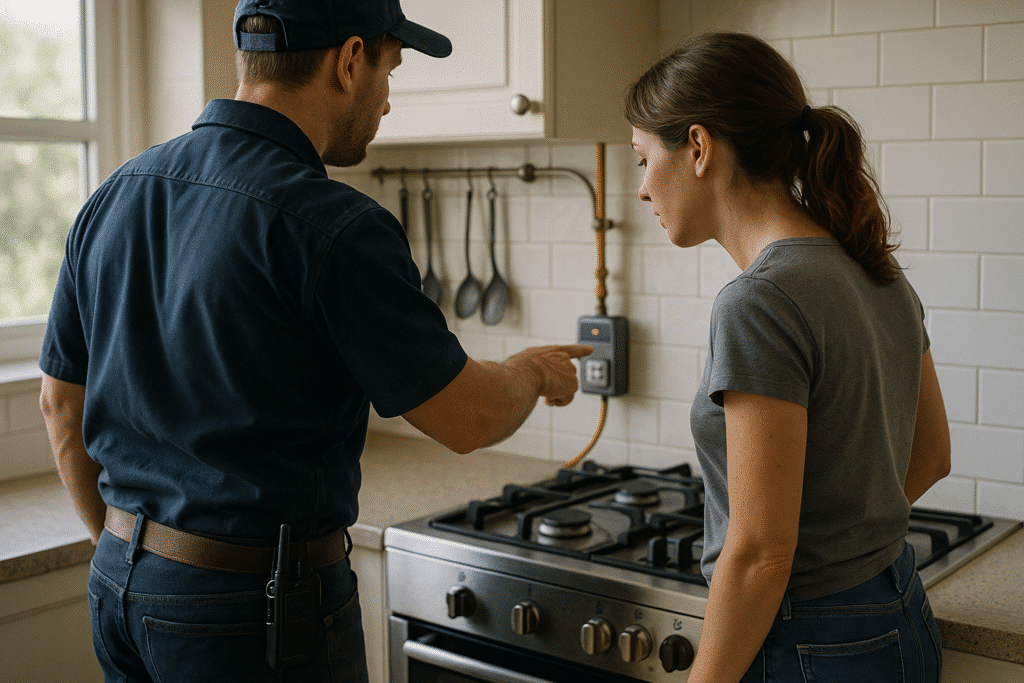
Gas piping is complex and regulated for a reason. Mistakes during gas line installation or repair can lead to explosions, poisoning, or property damage.
That’s why our gas line repair services are handled only by qualified plumbers who are fully trained in code compliance and safety procedures. Gas companies are typically responsible for the main supply lines and gas meters, while plumbers handle repairs and maintenance of gas lines within your home.
We make sure every job includes:
- Permits and Inspections: These aren’t optional. They’re critical for legal and safety reasons.
- High-Quality Materials: We use components designed to withstand high pressure and natural gas exposure.
- Warranty and Follow-Up: We cover our work and provide guidance on future repairs.
Don’t trust your gas system to anyone but a licensed, professional plumber. Your home’s safety depends on it.
Long-Term Prevention: What You Can Do Now
You can do a lot to reduce the chance of a gas leak. Regularly inspecting pipes for damage, corrosion, or blockages is essential to prevent gas leaks and ensure safety. Preventative care saves money, time, and peace of mind.
Gas Line Maintenance Tips
- Schedule Regular Inspections: A qualified plumber can catch corrosion, cracks, or blocked segments before they become dangerous.
- Upgrade Outdated Piping: Replace galvanized steel or black iron with safer modern alternatives.
- Install Detectors: Natural gas detectors pick up leaks your nose might miss.
- Learn Your System: Know where your shut-off valves are and how to use them in a crisis.
- Watch for Signs: Stay alert to the rotten egg smell, a sudden drop in gas service quality, or any strange appliance behavior.
- Inspect gas pipes regularly for signs of wear, corrosion, or leaks, and address any issues promptly.
For a deeper dive into prevention, check out our full guide on gas line maintenance tips.
Frequently Asked Questions
What are the signs of a gas line leak?
Common signs include a rotten egg smell, hissing sound, brown patches in your lawn, and higher gas bills. You may also notice malfunctioning gas appliances or bubbles in water near a buried line.
What should I do if I suspect a gas leak?
Immediately shut off your gas supply, evacuate the area, and contact your gas company. Then call a licensed plumber for emergency service.
Can a gas line be repaired instead of replaced?
Yes, but only if the gas line damage is minor. Small cracks or leaks can often be fixed with modern tools like CIPP. Extensive corrosion or multiple issues may require full replacement.
What is CIPP trenchless gas pipe repair?
CIPP is a trenchless method where a liner is inserted and cured inside the pipe, forming a new pipe within. It avoids the need to dig up your yard.
How long does gas line repair take?
Most gas line repairs take 1 to 3 days. If it’s a short section or an urgent job, same-day service may be available.
Is gas line repair safe to do myself?
Absolutely not. Repairing a gas line without proper tools, training, and licensing is illegal and highly dangerous. Always call a professional plumber.
How do I choose a qualified plumber for gas work?
Look for licensed plumbers with positive reviews, up-to-date certifications, and experience with both gas line installation and gas leak repairs. Ask about warranties and whether they perform a pressure test after every repair.
Final Thoughts: Safety Starts With Action
Gas line issues don’t wait. They creep in silently, and the consequences can be severe. But with the right information, a trusted service partner, and smart prevention habits, you can keep your home protected.
Gas line repair is more than a job. It’s about safety, peace of mind, and doing the work right the first time.
When you’re ready to repair a gas line or plan a future gas line installation, call Plumbing Doctor. We’ll handle everything from inspection to replacement, and make sure your home is safe from future leaks. Let’s fix it the right way, together.
Contact us if you are looking for a reliable plumbing service in Vacaville, Davis, Dixon, East Bay, Elk Grove, Fairfield, Marysville, Reno, Sacramento, West Sacramento, Sparks, Winters, Woodland, and Yuba City.