
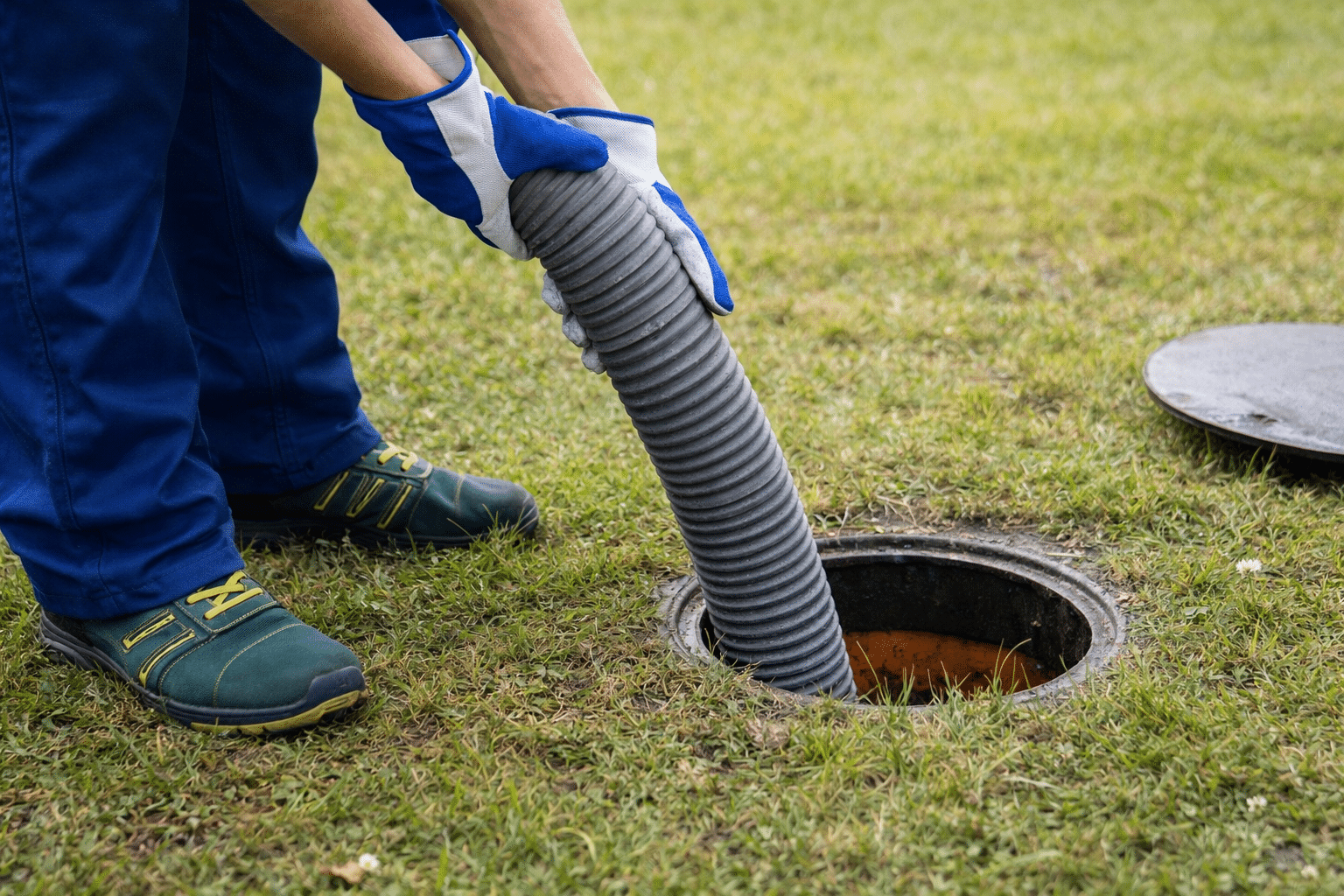
You don’t think about your sewer line until it develops a personality. One slow shower drain turns into a gurgling toilet, then the kitchen sink starts burping like it’s trying to say something, and suddenly your house is doing a spooky plumbing performance at 10:47 PM.
That’s when the big question hits, usually while you’re Googling with one hand and praying with the other: what’s the sewer drain cleaning cost in California… really?
If you’ve searched online, you’ve seen prices bounce from “not bad” to “are we financing this?”
And here’s the problem: that huge range isn’t just annoying, it’s exactly how people end up overpaying or booking the wrong service. So let’s talk like real humans.
We’ll walk through what you’re actually paying for, why drain cleaning prices in California can be all over the place, and how we can keep the bill sane without making the situation worse.
What Is Sewer Drain Cleaning, and What Are You Actually Paying For?
Sewer drain cleaning isn’t just “making water go down again.” It’s clearing the pipe system that carries wastewater out of your home, the stuff you don’t see until it stops working and makes itself your entire personality for the weekend. When we talk about sewer drain cleaning costs in California, we’re usually paying for more than a cable in a pipe.
A proper sewer cleaning visit typically includes diagnosis, safety steps, the right equipment for the right kind of clog, and the know-how to avoid damaging the line. Specialized equipment, such as hydro jetting machines and camera inspection tools, may be required for certain jobs, which can increase costs.
Service time and the cleaning method chosen, whether hydro jetting, snaking, or chemical treatments, are several factors that influence the final bill. It also includes the wildcard: what’s actually in there.
Grease, sludge, “mystery objects,” tree roots, or a clog sitting 60 feet down the run where half the job is simply reaching it.
When considering what you’re paying for, remember that several factors, including the type of clog, pipe accessibility, and the cleaning method used, can impact the overall cost.
How Is Sewer Drain Cleaning Different From Clearing a Simple Sink, Tub, or Toilet Clog?
A simple clog is usually local and predictable. Simple clogs often occur in bathroom sinks and shower drains due to hair, soap scum, and hygiene residues.
These clogs are typically limited to a single fixture, such as a clogged drain in a bathroom sink or shower, and can often be managed with basic tools like plungers, hand augers, or chemical solutions.
The tools are smaller, the risk is lower, and the mess potential is usually contained.
A sewer clog is a different category because it can affect multiple drains and fixtures at once and sits deeper in the plumbing system.
When the main line is involved, symptoms spread: several drains slow down together, toilets gurgle, the lowest fixture starts backing up, and the smell shows up like it got invited.
That’s why main sewer line cleaning in California is typically higher than clearing a single sink.
What Does a Plumber Usually Include in a Sewer Drain Cleaning Service Call?
A real service call is more than “show up, snake, leave.” In most cases, you’re paying for arrival, assessment, setup, the attempt to clear or clean the line, and basic cleanup, plus the experience to spot when you’re not dealing with a simple clog anymore.
Choosing a reputable plumbing service or professional service is especially important for complex sewer line issues, as trained experts can provide reliable solutions and customer satisfaction guarantees.
The quote may be flat-rate, hourly, or per attempt, which is exactly why two estimates can look wildly different for the same neighborhood.
Here’s the part people don’t hear enough: some pricing is intentionally “starter priced.” It covers the first try, and if the line doesn’t clear quickly, the add-ons begin.
That doesn’t automatically mean shady business, but it does mean we should ask, up front, what’s included and what could raise the total if the clog is deeper or uglier than expected.
Transparent pricing is key, always ask for a clear breakdown and inquire about any extra costs, such as emergency call-outs or inspection fees, so you can manage your budget and avoid surprises.
What’s the Difference Between “Clearing a Clog” and “Cleaning the Line”?
Clearing a clog means restoring flow, fast. Clearing blockages removes immediate obstructions, allowing water to move freely again, but cleaning the line addresses waste buildup that can accumulate over time.
If left untreated, this waste buildup can eventually cause complete blockages, especially in main sewer lines or bathroom drains. Cleaning ensures the buildup that caused the clog is removed so you don’t have the same problem again in three weeks.
If your drain is a freeway, clearing is pushing the stalled car off the road; cleaning is scraping off the oil slick and clearing the debris that keeps causing accidents.
This distinction matters because it’s where repeat bills come from. If we only punch a narrow channel through grease or sludge, water drains today, but the pipe walls stay coated. That’s how recurring drain clogs quietly add up, one “quick fix” at a time.
What Tools Do Plumbers Use for Sewer Drain Cleaning (Snaking vs Hydro Jetting)?
Sewer Snaking
Snaking uses a rotating cable with a cutting head or auger to break through blockages and get things moving again. It’s fast, effective for many common clogs, and it’s often the first tool we reach for because it’s a smart first step when we don’t yet know what we’re dealing with. That’s why sewer line snaking cost is usually the starting point for main-line problems.
But snaking doesn’t always “clean,” especially if the pipe is coated in grease or sludge. It can create a path through the center and leave residue behind, which is fine for a one-time clog but not great when your system has years of buildup.
Hydro Jetting
Hydro jetting uses high-pressure water to scour the inside of the pipe, removing grease, sludge, and heavy buildup along the walls. It’s less “poke a hole” and more “power-wash the tunnel,” which is why hydro jetting cost in California is typically higher.
Hydro jetting services generally cost between $300 and $600, with the average cost for hydro jetting services in California being between $350 and $600. Hydro jetting is more expensive upfront than traditional snaking, which costs between $100 and $250, but it can save money in the long term by reducing the need for repeat service calls and preventing costly emergency repairs.
The upside is that when jetting is the right call, it can noticeably reduce repeat clogs because it actually cleans the pipe.
Jetting isn’t a one-size-fits-all solution, though. Older or compromised pipes may need inspection first, because the last thing anyone wants is “we cleaned it” turning into “we found a collapse.”
How Much Does Sewer Drain Cleaning Cost in California for a Typical Service Call?
Here’s the honest answer: the sewer drain cleaning cost in California depends on what we find, clog type, location, access, and whether we’re clearing a blockage or cleaning the whole line.
The overall cost of drain cleaning is determined by a cost breakdown of key factors, such as the type of blockage, cleaning method, and accessibility. Several cost factors influence the final price, including the cost of drain location, severity of the clog, and the specific cleaning method used. Understanding these factors can help homeowners budget more effectively.
To keep things practical, we’ll break costs into two buckets: basic drain cleaning (branch lines) and main sewer line work. Then we’ll cover the add-ons that most often change the final total, camera inspection, root cutting, emergency scheduling, and access issues.
What Is the Typical Cost Range for Basic Drain Cleaning in California?
For basic branch-line drain cleaning, like a tub, shower, bathroom sink, or kitchen line, many homeowners see $150–$450, depending on access, severity, and location. If the clog is near the fixture and clears quickly, you’re usually closer to the lower end. If it’s deep, stubborn, or requires extra time and specialty heads, the price climbs.
The big driver here isn’t “fancy tools.” It’s time. A clog that fights back can turn a quick job into a longer one, and after-hours scheduling can push it into emergency drain cleaning in California territory. If nothing is actively backing up, waiting until normal business hours can be the cheapest decision you make all week.
What Is the Typical Cost Range for Main Sewer Line Cleaning in California?
Main line work costs more because the line is deeper, longer, and higher consequence. A common ballpark for main sewer line cleaning in California is $250–$800+ for snaking/augering, with tougher situations pushing higher.
The cost to clean a main sewer line typically ranges from $250 to $600, depending on the severity of the clog. Main sewer line blockages caused by tree roots can increase the cost by $200 to $600 or more. If hydro jetting is needed, you may see $500–$1,500+, depending on pipe length, buildup, and access.
If you’re asking how much does it cost to unclog a main sewer line, the biggest price driver is what caused the blockage. A simple paper clog is one thing; years of grease, heavy sludge, or aggressive roots are another.
Access matters too, an exterior cleanout can keep the job straightforward, while roof-vent or crawlspace access can add time and complexity.
Why Do Online “Average Drain Cleaning Costs” Vary So Widely?
Because “average” throws very different jobs into one pot and pretends they’re comparable. One site’s average might be a bathroom sink clog that clears in 20 minutes. Another might include hydro jetting, a camera inspection, and root cutting for a main line. Those are not cousins, they’re not even from the same family.
Sewer line cleaning costs can vary widely due to several factors, such as the length of the pipe, severity of the clog, accessibility, cleaning method, and your location. Understanding these variables can help you budget effectively for sewer drain cleaning costs in California.
Another reason is how companies quote. Some advertise a low price that covers only the first attempt (or the first few feet), then charge for additional time and equipment. Again, not automatically unethical, but it does mean we should ask: is this flat-rate, hourly, or per attempt, and what happens if the clog is deeper than expected?
What Makes Sewer Drain Cleaning More Expensive in California?
California costs are influenced by labor, insurance, fuel, overhead, and regional demand. But the biggest driver is still the job itself, where the clog is, what it’s made of, and how hard it is to reach. When those variables meet busy metro schedules, pricing can swing fast.
Costs for sewer drain cleaning in California are often 20% to 40% higher than national averages due to higher labor rates, resulting in higher costs for homeowners.
To keep this useful, focus on the three multipliers that explain most quotes: location (branch vs main), blockage type (grease vs roots), and access (cleanout vs roof vent vs buried line).
Difficult access, longer pipe runs, or complex blockages can lead to even higher costs. Once you understand those, you can usually tell whether a quote makes sense.
How Does Clog Location Change the Price (Branch Line vs Main Line)?
Branch line clogs are closer and usually easier to reach, so they tend to be cheaper and faster. Main line clogs can be farther from the access point and may require longer cable runs, heavier equipment, and more careful work.
Pipe accessibility can significantly impact the cost, as harder-to-reach pipes require more time and effort to service. Plus, main line backups can get messy quickly, so the approach tends to be more cautious.
If multiple fixtures are backing up, we’re usually thinking of the main line. If only one fixture is slow, it may be a branch issue. That single difference can swing pricing by hundreds.
Additionally, complex plumbing systems, such as those found in larger or older homes, may require additional expertise and time, which can increase the overall sewer drain cleaning cost in California.
How Does Blockage Type Affect Cost (Grease, Sludge, Roots, Heavy Buildup)?
Grease, soap residue, and food particles are common in busy kitchens and homes that treat the garbage disposal like a magic trash portal. These materials are stubborn because they smear, collect debris, and rebuild over time, often leading to blockages.
The severity of the clog is a major factor in determining the cleaning method and overall sewer drain cleaning cost in California.
When buildup is the real issue, hydro jetting can make more sense even if it costs more up front, especially for severe blockages that require advanced tools and expertise.
Roots are the drama queens. Once they find a crack or joint, they return like they’ve got a key. That’s where tree root removal sewer line cost California can rise, because cutting roots may take special heads, multiple passes, and a plan for reducing repeat intrusions.
Severe blockages caused by heavy grease or roots often require advanced methods and result in higher costs.
How Does Access Affect Pricing (Cleanout Access, Crawlspace, Roof Vent, Buried Cleanout)?
Access is the quiet quote-inflator. If there’s an exterior cleanout and it’s easy to reach, diagnosis and clearing are often faster and safer, allowing for minimal disruption during service. If there’s no cleanout, or it’s buried, we may need to access through a roof vent, crawlspace, or other entry point that takes more time and adds risk.
That’s where sewer cleanout access cost comes in. Sometimes it’s simply locating and uncovering an existing cleanout. Other times it’s installing one, which costs more but can save money long-term by making future service quicker and less invasive. Installing a sewer cleanout can cost between $2,000 and $5,000 if one is not already accessible.
How Do Emergency and After-Hours Calls Change Sewer Drain Cleaning Cost in California?
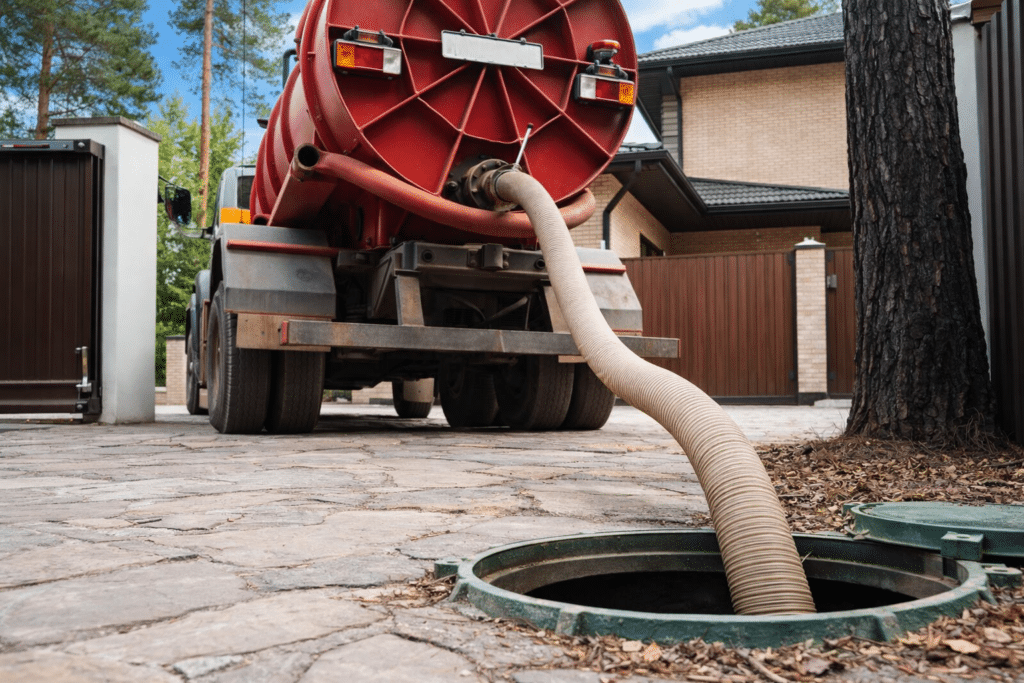
After-hours calls cost more because you’re paying for urgency and availability, not just labor. Emergency drain cleaning cost California can add $100–$500+, depending on the company, the time, and the situation. If sewage is actively backing up, it’s often worth it because the alternative can be property damage and a cleanup bill that hurts.
But if you’re only dealing with slow drainage and no backup, waiting until business hours can save real money. In the meantime, minimize water use: pause laundry and dishwashers, keep showers short, and don’t run multiple fixtures. Not glamorous, but it keeps the situation from escalating.
Why Do Prices Differ Between California Cities and Regions?
Los Angeles, the Bay Area, San Diego, and Sacramento don’t price labor the same, and overhead can be dramatically different. Traffic and travel time alone can change how many jobs a crew can complete in a day, which affects pricing structures. Add parking challenges, high demand, and operating costs, and you get higher quotes in major metros.
That’s why people ask, “Why does sewer drain cleaning cost more in Los Angeles or the Bay Area?”, because it often does. Rural areas can be cheaper but may include travel fees; dense areas can be higher but sometimes offer more availability. It’s not always fair, but it is consistent.
Should You Expect Different Pricing for Snaking vs Hydro Jetting in California?
Yes, and you should. Snaking is often the first-line cleaning method for clearing many clogs, and it’s typically priced lower because it’s quicker and less equipment-intensive.
Hydro jetting is more involved, uses specialized machinery, and is usually recommended when the pipe needs more than a simple opening.
The cleaning method you choose is a key part of the overall cost breakdown, as snaking, hydro jetting, and other options like chemical treatments each have different price points and are suited to different types of blockages.
So if you’re comparing quotes, make sure you’re comparing the same service and the same goal. A cheap snake isn’t a “deal” if your line is coated in sludge and you’re paying for repeat visits. That’s how people end up paying twice.
When Is Snaking Usually Enough for a Sewer Drain Clog?
Snaking is usually enough when the clog is localized and not heavy buildup, paper accumulation, minor roots, or a single obstruction. For simple clogs, such as those caused by hair, soap, or small debris, a drain snake (also called an auger) is typically used to clear the blockage efficiently.
It also tends to work well when symptoms are new and you haven’t been doing the “call a plumber every few months” routine. In those cases, snaking can restore flow fast and keep the bill reasonable.
If your issue is recent and not recurring, snaking is often a smart first move. It’s quicker, cheaper, and less intense on certain systems when used correctly. And yes, this is often the simplest answer to “clogged sewer line cleaning cost” when you catch it early.
When Does Hydro Jetting Make More Sense for a Sewer Line?
Hydro jetting makes more sense when you’re seeing recurring backups, slow drains across multiple fixtures, or signs of heavy grease and sludge buildup. It’s also a strong choice when snaking keeps “fixing it” but the problem returns, because the line likely isn’t being cleaned, only opened.
Hydro jetting services require specialized equipment and specialty tools to effectively clear severe blockages and heavy buildup, which is why these advanced methods are often recommended for stubborn or complex drain issues.
While hydro jetting costs in California can be higher upfront, it can reduce long-term recurring drain clogs cost by removing the buildup that keeps catching debris. For many households, the real question is: is jetting cheaper than paying for three service calls this year?
Why Can Hydro Jetting Cost More but Reduce Repeat Clogs?
Because it cleans the pipe walls, not just the center channel. Snaking can leave residue behind, especially in grease-heavy lines, and that residue becomes the sticky foundation for the next clog.
Jetting strips away that film so the pipe has a better chance of staying clear. Hydro jetting is often used as preventive maintenance or regular maintenance to keep pipes clear and reduce the risk of future clogs.
If you’ve been paying professional drain cleaning cost repeatedly, it’s worth stepping back and asking what’s actually causing the repeat. Not in a “sell you everything” way, in a “stop bleeding money” way.
When Should Older Pipes Be Inspected Before Hydro Jetting?
Older pipes, especially brittle materials, should be assessed before high-pressure cleaning. A camera inspection can reveal cracks, offsets, bellies, corrosion, or collapsed sections that could be worsened by aggressive jetting.
If the pipe is compromised, jetting might push a weak area over the edge. If camera inspection reveals damaged pipes, plumbing repairs may be necessary before proceeding with hydro jetting to ensure safety and avoid further issues.
So if your home is older, you’ve had repeat clogs, or the symptoms feel bigger than a normal blockage, it’s smart to ask about inspection before jetting. Yes, it can add cost, but it can also prevent a “cleaning” from turning into a repair.
How Much Do Common Add-Ons Cost, and When Are They Worth It?
Add-ons aren’t automatically bad. They’re bad when they’re vague, rushed, or presented like a surprise menu. When they’re clearly tied to solving the real problem, they can be the difference between one visit and five.
Be aware that extra costs, such as a service call or diagnostic fee (typically $50 to $200), may be added to your bill and are sometimes credited towards the final repair. Additionally, service time is a key factor in determining the total sewer drain cleaning costs in California, longer or more complex jobs will increase the price.
Below are the add-ons homeowners most commonly run into, and what you’re really buying when you pay for them.
How Much Does a Sewer Camera Inspection Typically Cost in California?
Sewer camera inspection cost in California commonly ranges from $150–$500, depending on whether it’s bundled with cleaning, the scope length, and whether documentation is included.
Video inspections or camera inspections typically cost $150 to $350+ and are used to diagnose problems within pipes. Some companies discount or waive part of the fee if you proceed with repairs; others keep it separate no matter what. Neither is automatically wrong, the key is knowing the policy before the camera goes in.
A camera inspection isn’t just “cool footage.” It’s the fastest way to stop guessing and start making confident decisions about whether you need simple clearing, full cleaning, root management, or repair. Regular inspections can save costs in the long run by identifying problems early and preventing major repairs.
When Is a Camera Inspection Worth Paying For?
It’s worth it when you have recurring backups, suspect roots, recently bought a home, or cleared the line but symptoms returned quickly. It’s also worth it when you’re weighing “clean again” versus “repair now,” because you need evidence, not vibes, to make that call.
A camera can reveal whether you’re dealing with a clog or a pipe problem pretending to be a clog. That insight helps you avoid paying for repeat cleanings that never actually solve the underlying issue.
Choosing a provider known for quality service ensures the camera inspection is performed with professionalism and accuracy, leading to effective solutions and greater peace of mind.
How Much Can Root Cutting or Root Removal Add to the Total Cost?
Tree root removal sewer line cost in California add-ons vary widely, but a common bump might be $100–$600+, depending on severity, method, and how far into the line the roots extend. Light roots may be cut during snaking; heavy roots can require dedicated heads, extra time, and follow-up planning.
Neglecting root intrusion can lead to costly repairs if not addressed promptly, so early detection and regular maintenance are important.
If roots show up, the best money question isn’t “Can we cut them today?” It’s “What’s the plan to reduce repeat blockages?” Sometimes that’s maintenance. Sometimes it’s repairs. The right plan depends on what the camera shows.
When Does a Sewer Cleanout Need to Be Installed or Uncovered?
If there’s no accessible cleanout, servicing the line can be slower and riskier. Installing a cleanout gives future plumbers a safer, faster entry point and can lower future service costs.
Uncovering an existing buried cleanout is usually cheaper than installing a new one, but you still pay for time and labor to locate and expose it.
This is one of those “spend once, save later” upgrades. Not always necessary, but often smart, especially for homes with older lines, frequent clogs, or tricky access. It also directly affects sewer line maintenance costs in California over time.
When Is Sewer Drain Cleaning Not Enough, and What Does the Next Step Look Like?
Sometimes the problem isn’t the clog, it’s the pipe itself. Pipes are passive-aggressive like that: they don’t send warnings, they just flood your laundry room and ruin your Saturday. The goal is spotting when you’re past the “cleaning fixes it” phase and into “something structural is happening.”
If cleaning isn’t enough, plumbing repairs may be required. Complex repairs, such as those requiring excavation for damaged pipes, can cost significantly more than standard cleaning.
Delaying necessary repairs can result in even more costly repairs down the line. When we catch that early, you avoid the expensive version of the story. When we ignore it, you often end up paying for repeat cleanings until a backup forces a repair anyway.
What Warning Signs Suggest the Problem Is More Than a Clog?
Watch for frequent backups even after cleaning, multiple fixtures draining slowly together, sewage smells that keep returning, or water backing up in the lowest drain (often a shower or floor drain).
Also pay attention if problems spike after rain, which can hint at infiltration or system stress. These symptoms don’t automatically mean you need replacement, but they do mean you should stop guessing.
Main sewer line blockages are often caused by waste buildup, which can accumulate over time due to issues like tree roots, pipe collapse, or sagging plumbing. This buildup can lead to raw sewage backups and requires immediate professional intervention to prevent health hazards.
If you’re paying for repeat cleanings, we should ask why. Repeating the same service without solving the cause is basically a subscription you never asked for.
What Pipe Problems Can a Camera Inspection Uncover (Offset Joints, Bellies, Collapses, Heavy Roots)?
A camera inspection can reveal offset joints where pipe sections no longer line up, bellies where the pipe has sagged and holds water, cracks or collapses from age or soil movement, heavy roots that keep re-entering, and damaged pipes that may need repair before further cleaning can be performed.
These issues change the strategy because they can keep catching debris no matter how many times you clean.
That’s why camera footage paired with a clear explanation is so valuable. It turns “maybe” into “here’s what’s happening,” and it makes it easier to decide whether cleaning is enough, or if it’s time to talk about repairs.
When Do You Need Repair or Replacement Instead of Another Cleaning?
If the pipe is collapsed, severely offset, or has a belly that traps waste, cleaning won’t permanently fix it.
When cleaning is no longer effective, plumbing repairs become necessary, and repair costs should be weighed against the cost of repeated cleanings. That’s when repair becomes the logical step, not because anyone wants to upsell, but because gravity and debris don’t negotiate.
This is where trenchless sewer repair cost vs cleaning becomes a real comparison. Cleaning is cheaper, until you need it every month. Repair costs more, until it ends the repeat cycle. The smart move is comparing total cost over time, not just today’s invoice.
How Can Homeowners Reduce Sewer Drain Cleaning Costs in California Without Making the Problem Worse?
We can save money without doing weird internet “hacks” that destroy pipes. The goal is fewer clogs, less buildup, and faster action when symptoms show up, because early interventions are almost always cheaper.
One of the most effective ways to reduce sewer drain cleaning cost in California is to schedule regular maintenance, such as annual drain cleanings, as part of a preventive maintenance plan. Regular maintenance is the best way to avoid potential plumbing issues, and regular drain cleaning can prevent major blockages that require costly repairs.
Let’s stick to habits and maintenance moves that actually lower your long-term spend, especially in a state where emergency calls can get expensive fast.
What Daily Habits Help Prevent Sewer Clogs in California Homes?
Small habits make a big difference: run hot water after kitchen sink use to reduce grease residue, use sink strainers and shower hair catchers, avoid letting food particles go down the kitchen sink as they are a common cause of clogs, flush only what’s meant to be flushed, and don’t ignore slow drains.
That last one matters because a slow drain is your system whispering before it starts shouting.
Many California homes also deal with mature trees and older sewer lines, which makes prevention even more important. If root intrusion is common in your area, proactive care isn’t optional, it’s part of owning the house.
What Should You Avoid Putting Down the Drain to Prevent Costly Backups?
Avoid grease, oils, and fat (even “a little” adds up), “flushable” wipes, paper towels, hygiene products, cotton items, coffee grounds, and starchy food scraps. If it doesn’t break down quickly in water, it doesn’t belong in your pipes, because it will eventually meet other debris and form the world’s grossest traffic jam.
While chemical cleaners are a quick fix and usually the least expensive option (about $70 to $150), they can damage pipes and are not recommended for frequent use.
If your household cooks a lot, grease management is a real thing. It’s either handled at the sink, or it’s handled later with a bigger invoice.
How Can Preventative Maintenance Lower Long-Term Sewer Cleaning Costs?
If your home has a history of clogs, proactive maintenance can be cheaper than emergencies. That might mean periodic snaking, occasional jetting, or scheduled inspections depending on the line’s condition and what the camera shows.
To keep costs down and avoid unexpected repairs, homeowners should schedule regular maintenance, such as periodic snaking or hydro jetting, as preventive maintenance.
Regular maintenance helps prevent major blockages and extends the lifespan of your plumbing system. It’s like dental cleanings, ignore it long enough and you pay more later.
Sewer line maintenance cost for California varies, but predictable maintenance is usually cheaper than surprise midnight backups. It also lowers the chance of overflow damage, which is where costs can spiral well beyond the plumber’s invoice.
When Is It Cheaper to Fix the Cause Instead of Paying for Repeat Cleanings?
If you’ve paid for multiple cleanings in a single year, it’s time to step back. Either the line is coated in buildup that needs jetting, or there’s a structural issue inviting clogs back, offset joints, bellies, root intrusion, or pipe damage.
Identifying the root cause of recurring clogs allows homeowners to budget effectively for repairs, rather than continually paying for repeated cleanings.
This is also where a camera inspection can pay for itself quickly. Guessing is expensive. Confirmation is usually cheaper than “try again.”
What Questions Should You Ask a Plumber Before Booking Sewer Drain Cleaning in California?
This is where we protect your wallet, not with distrust, but with clarity. Ask these questions before anyone rolls up in a truck, and you’ll instantly spot the difference between a real plan and a pricing trap.
- Is pricing flat-rate, hourly, or per attempt? You want to know what happens if the clog takes longer than expected or if the first method doesn’t work.
- What does the price include? Ask whether the quote includes cleanout access work, camera inspection, jetting versus snaking, and any follow-up support.
- What happens if the clog is deeper or more severe than expected? Do they stop and quote, or keep going and bill later?
- If roots are present, what’s the plan to reduce repeat blockages? Root cutting today is one thing; root management long-term is another.
- Will you get documentation (notes, photos, or video) after the service? Especially if a camera inspection is done, you should get something you can keep.
Always ask about transparent pricing to ensure there are no hidden fees, and choose a provider known for reliable service and quality service to guarantee your sewer drain cleaning is handled professionally and efficiently.
These questions keep everyone honest and help you compare bids like an adult, not like someone panicking next to a bubbling shower drain.
FAQs
What is the average sewer drain cleaning cost in California?
Many homeowners see a broad range, often $150–$450 for basic drain cleaning and $250–$800+ for main line work, depending on access and severity. Emergency visits, hydro jetting, and add-ons can push costs higher, especially in major metro areas. The most accurate “average” is the one tied to your clog type and where it sits in the system.
How much does it cost to snake a main sewer line in California?
Sewer line snaking cost in California often lands around $250–$800+, depending on clog severity, access, and after-hours needs. If roots or heavy buildup are involved, additional charges may apply because clearing takes more time and may require specialized heads. A clear scope of work upfront is the difference between a quote and a surprise.
How much does hydro jetting cost in California?
Hydro jetting cost in California is commonly $500–$1,500+, depending on pipe length, buildup, and access. It can cost more upfront but often reduces repeat clogs because it cleans pipe walls thoroughly rather than leaving residue behind. For recurring problems, it’s frequently the smarter long-term play.
How much does a sewer camera inspection cost in California?
Sewer camera inspection cost in California is often $150–$500, depending on whether it’s bundled with cleaning and whether you receive documentation. It’s most valuable for recurring clogs, suspected roots, older pipe systems, or when you need to decide between another cleaning and repair. If the problem keeps coming back, a camera is usually money well spent.
Why does sewer drain cleaning cost more in Los Angeles or the Bay Area?
Higher labor costs, overhead, demand, traffic time, and operating expenses can raise pricing in major metro areas. Some neighborhoods also have older infrastructure and mature trees, which increases complexity and the likelihood of root-related work. You’re not imagining it, regional pricing differences are real.
Does sewer drain cleaning remove tree roots?
Sometimes, yes, especially if root cutting heads are used during snaking. But heavy roots often need dedicated removal work, and roots can return unless the underlying entry points are addressed or managed. If roots are suspected, a camera inspection helps confirm what you’re actually dealing with and how aggressive the plan needs to be.
The Bottom Line: Pay for the Right Fix, Not the Same Fix Repeated Forever
Sewer drain cleaning costs in California isn’t just a number, it’s a story about access, blockage type, pipe condition, and timing. Once we understand what’s happening inside the line, we stop gambling on quick clears and start making decisions that actually hold up past this week.
And honestly, the best win isn’t finding the cheapest price. It’s paying once, fixing it properly, and getting your house back to being boring again, quiet drains, normal showers, and a life that doesn’t involve googling “main sewer line cleaning cost in California” at midnight.Contact us if you are looking for a reliable plumbing service in Chico, Davis, Dixon, East Bay, Elk Grove, Fairfield, Lincoln, Marysville, Oroville, Reno, Sacramento, West Sacramento, Sparks, Vacaville, Winters, Woodland and Yuba City.