
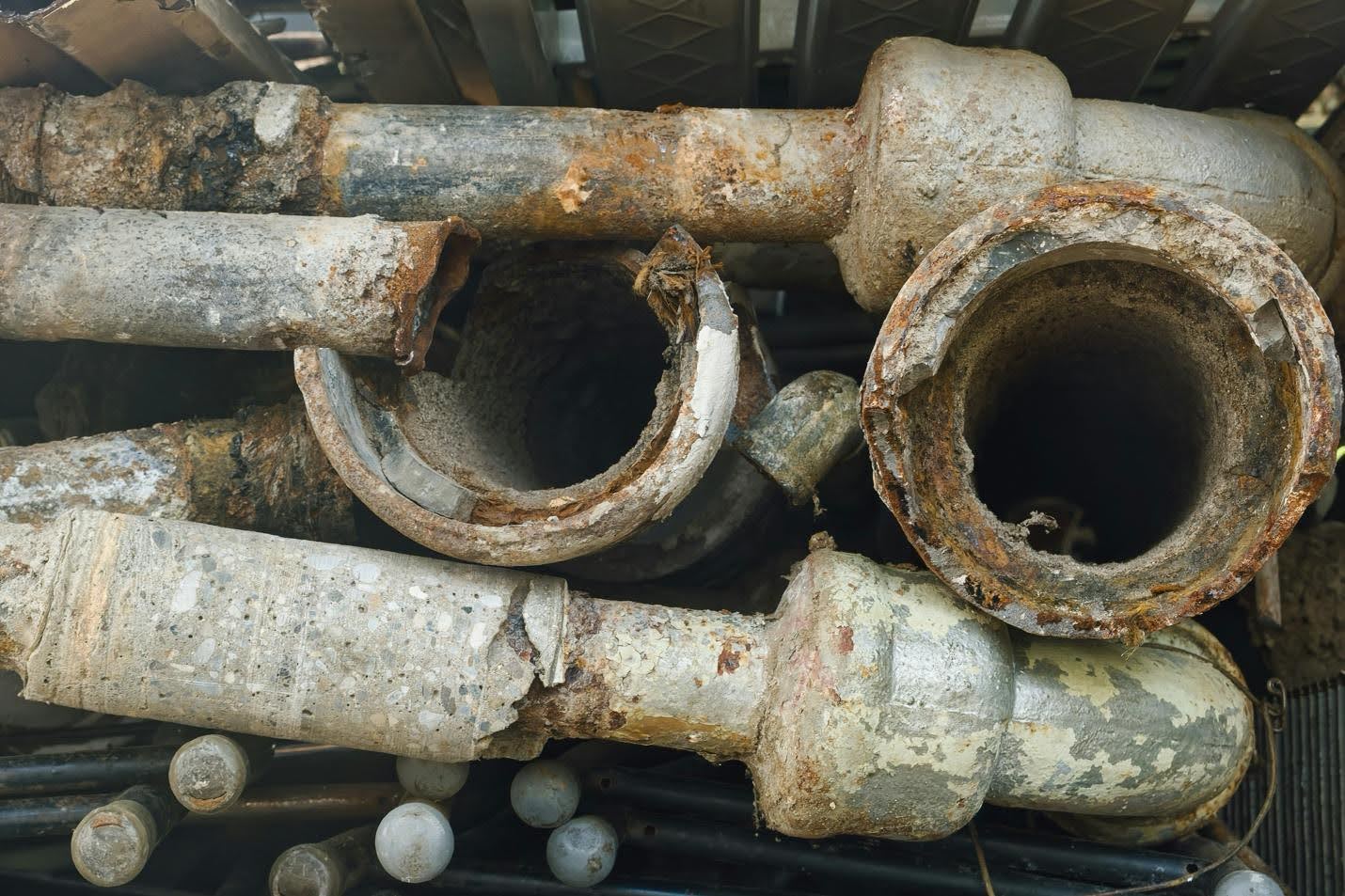
It’s a normal evening, you run the dishwasher, and the sink decides it’s on strike. Then the downstairs bathroom starts gurgling like a haunted house sound effect, and suddenly you’re Googling “why does my shower smell like a swamp” with one hand while texting your partner with the other. We’ve seen this movie, and it always has the same twist ending: the problem isn’t inside the house at all. It’s in the pipe you can’t see, the one buried outside.
That buried pipe is often your responsibility, even when part of it sits under a sidewalk or near the street. Most homeowners don’t learn that detail from a friendly brochure; they learn it from a plumber’s estimate and a very long silence.
Sewer line insurance exists to soften that kind of blow, but it’s also easy to misunderstand because it sounds like something homeowners insurance should already handle.
In this guide, we’ll walk through what sewer line insurance is, what it typically covers, what it usually won’t, and how to decide if it’s worth adding for your home.
What Is Sewer Line Insurance and How Does It Work?
Sewer line insurance is a type of sewer line coverage that helps pay for repairing or replacing the underground pipe that carries wastewater from your home to the city’s sewer system.
That pipe is usually called the sewer lateral, and it runs from your foundation to the connection point at the municipal main. Because the pipe is underground, getting to it is often the expensive part, not the pipe itself. Digging, hauling, permits, and restoration turn a “plumbing issue” into a small construction project.
Most of the time, you’ll see this sold as service line insurance, service line coverage, sewer pipe insurance, or an underground pipe insurance add-on. Some insurers offer service line coverage as a buried utility line endorsement you can attach to your homeowners policy, while others offer it as a separate policy.
You pay a premium, and if a covered issue happens, you file a claim and pay a deductible. Coverage would apply in cases such as damage caused during digging or excavation. The insurer then pays toward covered costs up to the policy’s limit, which is why those limits matter more than people think.
Service line insurance cover typically includes repairs and replacements for damaged service lines that supply utilities or carry away waste from a property.
What is a sewer lateral, and why do we keep talking about it?
The sewer lateral is the private section of pipe that connects your home to the public sewer main, and it’s the reason sewer line insurance exists in the first place. We tend to assume public infrastructure equals public responsibility, but the lateral is usually treated like part of your home, just buried outside.
That means if it cracks, collapses, fills with roots, or separates at a joint, you’re the one making the calls and paying the bills. If your lateral is long, deep, or runs under concrete, the repair can get pricey fast.
Why Do Homeowners Need Sewer Line Insurance?
Sewer line failures are expensive because the work is disruptive. We’re not just swapping a part; we’re often opening the ground, moving soil, cutting concrete, or removing landscaping to reach a pipe that may be several feet down.
The sewer line replacement cost commonly lands somewhere between $3,000 and $15,000, but it can go higher depending on access and restoration. When the line runs under a driveway or sidewalk, the “put it back” portion of the job can rival the repair itself.
The other reason this coverage matters is that sewer problems don’t announce themselves with a neat, early warning. Underground pipes can degrade slowly, and many failures feel sudden only because we don’t see the buildup.
Roots creep in through tiny gaps, older materials corrode or deform, and ground movement stresses joints until something finally gives. A specific event, such as frost heave caused by freezing rainwater, can lead to ground shifting and sudden damage to underground infrastructure.
When it happens, it tends to happen at the worst time, right when you’re hosting family, leaving for a trip, or trying to get through a normal work week. Having sewer line insurance can provide peace of mind, turning an unpredictable expense into a manageable one.
Does Standard Homeowners Insurance Cover Sewer Lines?
This is where the confusion starts, so let’s be blunt: standard homeowners insurance usually does not cover the sewer lateral outside your home. Most homeowners’ insurance policies are built around sudden, accidental events that damage your house, not the gradual deterioration of buried pipes.
Wear and tear, corrosion, root intrusion, and age-related failure are typically excluded. So if the problem is “this pipe has been slowly failing underground,” homeowners’ insurance sewer line coverage generally won’t be there to help.
There are exceptions, but they’re not something we want to count on without proof. Some insurers offer endorsements or riders that extend protection to buried utility lines, including the sewer line, but you typically have to add that coverage intentionally.
Even then, coverage limits and exclusions can differ dramatically. The practical move is to assume you’re not covered until you can point to the exact wording that says you are.
What Does Sewer Line Insurance Typically Cover?
Most sewer line insurance coverage is designed to pay for the big-ticket parts of a sewer line repair. That usually includes the cost to repair or replace the damaged pipe section, plus excavation and access costs to reach it.
Coverage typically extends to repairs or replacement of underground sewer pipes and water lines, protecting you from the high costs associated with damage to these essential utility connections.
Many policies also include some level of restoration, such as backfilling and basic surface repair, aiming to restore your property as close as possible to its original state, because a trench through your yard isn’t a great long-term design choice. The exact scope varies, which is why “coverage” can mean very different things depending on the policy.
A helpful way to read these policies is to separate “fix the pipe” from “fix the surface.” The pipe portion is often straightforward: replace broken segments, reconnect joints, restore proper slope and flow.
The surface portion is where surprises hide, especially if your yard includes irrigation lines, mature landscaping, or hardscape like pavers. If the policy only restores “basic” surfaces up to a small sub-limit, you may still pay out of pocket to bring everything back to the way it was.
What Is Not Covered by Sewer Line Insurance?
Sewer repair insurance is valuable, but it’s not magical, and insurers do draw lines. Pre-existing damage is a common exclusion, which means problems that existed before the policy started may not qualify for a claim.
Neglect is another broad category that can come into play, such as ignoring clear warning signs for months or failing to address a known issue.
And while we’d love to believe insurance covers every headache, routine maintenance items, and predictable deterioration, such as rust and oxidation of iron or steel pipes leading to corrosion, small holes, and leaks, are often excluded from coverage.
It’s also important to remember what sewer line insurance is not: it’s not a blanket policy for every plumbing problem in the house. Internal plumbing issues, like a clog in a branch line under a sink or a pipe leak inside a wall, are typically handled separately.
Some policies also exclude simple blockages that can be cleared without repairing or replacing the line. If there’s no structural failure, the insurer may treat it as a service call rather than a covered loss.
What Causes Sewer Line Damage Most Often?
Tree roots are the celebrity villain of sewer line problems, and unfortunately, they earn the spotlight. Roots chase moisture and nutrients, and tiny gaps at joints can become an open invitation. Once roots find a way in, they expand, catch debris, and slowly tighten the pipe’s “throat” until flow becomes restricted. By the time you notice recurring clogs or slow drains, the root network may already be well established.
Age and material are the quieter culprits, especially in older neighborhoods. Homes may still have clay pipe that can crack and shift, cast iron that corrodes and roughens internally, or Orangeburg pipe that can deform and collapse as it gets older.
These materials were common in their era, but time is not kind to them. If the sewer line has never been updated and the home is decades old, the odds of trouble naturally rise.
Ground conditions can also be a deciding factor. Soil settles, freezes, thaws, and shifts with rain patterns, and those movements can stress rigid pipe sections. Heavy vehicle traffic above a line, especially near driveways or streets, can add pressure that worsens small cracks and joint separations. Even when nobody has done anything “wrong,” the environment can still win over time.
How Much Does Sewer Line Insurance Cost?
The good news is that sewer line insurance tends to be relatively affordable compared to the damage it can prevent. Many plans cost around $5 to $15 per month, though pricing depends on the provider, your location, and the coverage limit you choose.
Some utility companies or insurance providers may even offer free or low-cost sewer line insurance options, which can provide significant cost savings. Deductibles often fall between $250 and $1,000, and policy limits might range from $5,000 to $25,000 or higher.
Those numbers aren’t just fine print; they’re the difference between “we’re okay” and “we’re taking out a loan.”
A smart way to evaluate cost is to compare the premium to your most likely repair scenario. If your sewer line runs under a driveway, a sidewalk, or mature landscaping, restoration costs can be substantial. If the line is short and accessible, your risk may be lower, and a smaller limit might be enough. The point isn’t to buy the cheapest premium; it’s to buy protection that matches the kind of failure your property is most likely to experience.
Is Sewer Line Insurance Worth It for Your Home?
Sewer line insurance is usually most worth it when the risk and the potential bill are both high. Older homes are a big example because they’re more likely to have aging materials and joints that are prone to intrusion or separation.
Lots of mature trees near the sewer path is another major factor, because roots are persistent and patient. A long sewer lateral increases exposure simply because more pipe means more opportunities for something to go wrong.
Access is the wild card that homeowners often underestimate. If your sewer lateral sits deep or runs under concrete, repairs become more complex and restoration becomes more expensive. Even with a good policy, restoration sub-limits can affect your final out-of-pocket cost, so we want to make sure those numbers reflect reality.
In practical terms, sewer line insurance is worth it when it turns a scary, unpredictable bill into a manageable deductible and a plan. Having the right mind, being proactive and prepared, can help homeowners make the best decision about whether this coverage fits their needs.
How Is Sewer Line Insurance Different From Sewer Backup Coverage?
Sewer backup insurance is about what happens inside your home when wastewater comes back the wrong way. It typically helps pay for cleanup, repairs to flooring and drywall, and replacement of damaged belongings.
It’s not a “fix the pipe” policy; it’s a “save the house from the mess” policy. If you’ve ever seen what a backup can do to a finished basement, you already understand why this coverage matters.
Sewer line insurance, on the other hand, is about the underground pipe that caused the disaster in the first place. It’s focused on repairing or replacing the sewer lateral and handling the excavation needed to do it.
Because a sewer line failure can lead to a backup, many homeowners find that the two coverages complement each other. If we want a complete safety net, we consider both: one for the pipe, one for the damage it can create.
How Can Homeowners Reduce the Risk of Sewer Line Damage?
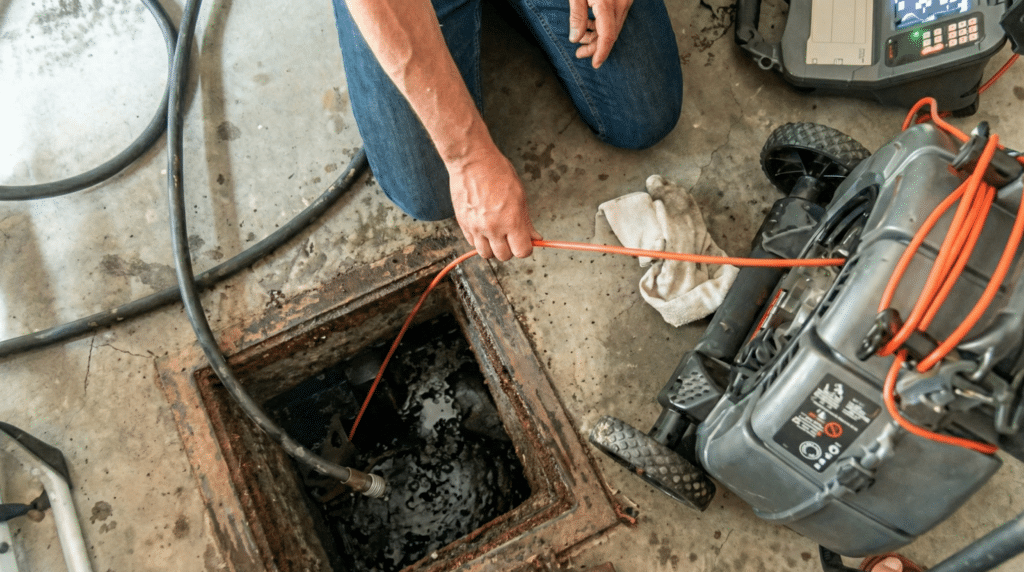
Insurance is the financial seatbelt, but we still want to drive carefully. One of the best preventative tools is a sewer camera inspection, which gives a clear look at the line’s condition without guessing.
Some providers even offer live inspection services, allowing homeowners to view real-time footage of their sewer line’s condition as the inspection happens. It can reveal root intrusion, cracks, offsets, bellies (low spots where waste collects), and early deterioration.
If you’re buying an older home or dealing with repeated clogs, a camera inspection is one of the most practical “spend a little to avoid a lot” decisions we can make.
Daily habits matter too, even if many sewer issues start outside. “Flushable” wipes are a classic troublemaker, and they don’t break down the way toilet paper does, regardless of what the label claims.
Grease, oil, and coffee grounds can build up and catch debris, especially in older lines with rough interiors. And if you notice warning signs like slow drains in multiple fixtures, gurgling noises, or recurring clogs, it’s worth investigating quickly rather than hoping it magically resolves.
A quick, real-world checklist for choosing sewer line coverage
When we’re shopping for sewer line insurance coverage, we want to compare more than just the monthly price. A cheap plan with a low limit can leave you exposed when the real work begins. This quick checklist keeps the decision grounded in reality rather than marketing language.
- Enter your address or location details to check if sewer line insurance is available in your area.
- What is the coverage limit for sewer line repair and replacement, and is it enough for a worst-case replacement on your property?
- What is the deductible, and would paying it during an emergency be manageable?
- Does the policy cover excavation and access costs, including permits if required?
- What restoration is included, and are there sub-limits for driveway, sidewalk, and landscaping repairs?
- Are root intrusion and ground movement treated as covered causes, and how does the policy define “pre-existing” or “neglect”?
Frequently Asked Questions About Sewer Line Insurance
What is sewer line insurance?
Sewer line insurance is coverage that helps pay for the repair or replacement of the underground sewer lateral that connects your home to the municipal sewer main. It is designed to provide financial protection for homeowners facing costly repairs.
It often includes excavation and access costs, which can be the biggest part of the bill. The exact coverage depends on policy wording, deductibles, and limits, so it’s worth reading the details before you assume it covers everything.
Does homeowners insurance cover sewer lines?
In most cases, standard homeowners insurance does not cover sewer laterals outside the home, especially when damage comes from wear, roots, or age. Some insurers have add-ons or endorsements offered specifically for sewer line coverage, such as a buried utility line endorsement that may extend protection.
The key is confirmation: if it’s not written into your policy, we shouldn’t assume it’s covered.
What is the difference between sewer line insurance and sewer backup insurance?
Sewer line insurance covers the underground pipe itself, including repair or replacement and often excavation. Sewer backup insurance covers damage inside the home caused by wastewater backing up through fixtures or drains. Many homeowners choose both because one addresses the source of the issue and the other addresses the interior damage.
How much does sewer line insurance usually cost?
Many plans cost around $5 to $15 per month, though pricing varies based on coverage limits, deductibles, and location. Some policies are available with annual premiums, and coverage may last for a full year.
Deductibles commonly range from $250 to $1,000, and limits can range from about $5,000 to $25,000 or more. Comparing premiums, deductibles, and limits together is the best way to judge value.
What does sewer line insurance cover?
Coverage typically includes repair or replacement of the sewer lateral and the excavation needed to access it.
Service line coverage or service line insurance cover, often available as an enhancement to your home insurance policy, typically includes repairs and replacements for damaged service lines such as sewer pipes and water lines that supply utilities or carry away waste from your property.
Some policies also include basic restoration, such as backfilling and limited surface repair. Because restoration terms vary, we want to review sub-limits for landscaping, sidewalks, and driveways.
What does sewer line insurance not cover?
Policies commonly exclude pre-existing damage, problems linked to neglect, and certain maintenance-related issues. Internal plumbing problems inside the home are usually not included because sewer line insurance focuses on the buried pipe outside. Some policies also exclude simple blockages that can be cleared without repairing or replacing the line.
Is sewer line insurance worth it for older homes?
Often, yes, because older homes are more likely to have aging pipe materials and mature trees near the sewer path. Both factors increase the risk of cracks, intrusion, and collapse.
Many customers with older homes find sewer line insurance to be a practical solution for managing repair costs. If the line has never been replaced, coverage can be a practical way to reduce financial exposure.
Can sewer line insurance be added to an existing homeowners policy?
Yes, many insurers offer sewer line coverage as an endorsement or rider, sometimes called a buried utility line endorsement. Other providers sell standalone service line insurance policies.
Some insurers also offer protection plans that can be added to existing policies to cover sewer and service lines. Availability and terms vary, so it’s worth checking options with your insurer and comparing them to dedicated service line products.
Does sewer line insurance include excavation and yard repair?
Excavation is often included because access is essential to repair the sewer line. Repairs are typically performed by professional contractors to ensure quality and proper restoration.
Yard repair and restoration may be included, but it can be limited by sub-limits or definitions of “basic restoration.” We want to check those details, especially if the line runs under hardscaping or mature landscaping.
The Bottom Line on Sewer Line Insurance
Sewer line insurance is one of those unglamorous decisions that can save you from an unglamorous disaster. The sewer lateral is usually your responsibility, and when it fails, the repair is often expensive because it requires digging and restoration.
Standard homeowners insurance typically doesn’t cover that underground pipe unless you’ve added specific sewer line insurance coverage or a buried utility line endorsement. If we understand our home’s age, pipe material, tree exposure, and access challenges, we can decide whether this coverage is a smart, low-cost way to protect our budget from a very high-cost surprise.
Contact us if you are looking for a reliable plumbing service in Chico, Davis, Dixon, East Bay, Elk Grove, Fairfield, Lincoln, Marysville, Oroville, Reno, Sacramento, West Sacramento, Sparks, Vacaville, Winters, Woodland and Yuba City.