
We’ve all been there: it’s a freezing Tuesday morning, you’ve hit snooze twice, and you’re finally ready for that steaming hot shower to jumpstart your soul.
You step into the stall, pull the lever, and instead of a warm embrace, you’re met with a blast of liquid ice that feels like a slap from the North Atlantic.
In that split second, the water heater stops being a silent appliance in the basement and starts being the most important member of your household.
We often take our hot water for granted until it’s gone, leaving us shivering, frustrated, and running late. But your heater usually doesn’t just “quit” without sending out a few distress signals first. It’s a complex system that works incredibly hard behind the scenes to keep your life comfortable and clean.
At Plumbing Doctor, we believe that a little bit of knowledge can save you from a major headache. In this guide, we’re going to walk through the common water heater problems and their causes together. We’ll look at the strange noises, the mysterious puddles, and those funky smells that can ruin your morning.
Why is My Water Heater Not Producing Any Hot Water?
When the water heater stays cold, it feels like a genuine household emergency. We find that this is the most common complaint homeowners face, but the cause isn’t always a total system failure. Sometimes, it’s just a simple communication breakdown between your power supply and the unit itself.
Power Issues
If you have an electric water heater, the first place we recommend checking is your home’s electrical panel. These units pull a massive amount of power to heat dozens of gallons of water at once. If there’s a power surge or the heater works too hard, it can trip the circuit breaker.
We suggest flipping the breaker all the way off and then back on again to see if that restores electricity. On an electric water heater, you might also need to check the reset button located behind the access panel. Sometimes a simple reset is the only solution needed to get things moving again.
Gas Supply
For those of us with a gas water heater, the water heater pilot light is the “heartbeat” of the entire system. If that tiny blue light goes out or the gas valve becomes faulty, the heating process stops instantly.
The pilot light typically stays lit unless there is a draft or a gas supply issue. Both the gas valve and pilot light must be functioning correctly for the water heater to produce hot water. Drafts, a kinked gas line, or low gas pressure can all cause the light to vanish unexpectedly.
Low gas pressure could also indicate other problems with the gas utility or system that need to be diagnosed and resolved.
We’ve seen many cases where a simple fluctuation in gas flow or a draft through a vent is the culprit. You can usually follow the instructions on the tank to relight the pilot. Before relighting, make sure natural gas is available and handled properly.
If you turn the gas knob to the pilot position and it still won’t light, you might have an issue with the gas supply.
Heating Elements
Inside an electric water heater, there are usually two heating elements, one at the top and one at the bottom. Over several years of constant use, these metal rods can simply burn out or break. When the upper heating element goes out, you get zero hot water because the heat at the top exits the tank first.
To check this safely, we recommend using a non-contact voltage tester to ensure there is no voltage before you open the access panel. If an element is broken, the heater cannot function correctly. Replacing a heating element is a common repair that can breathe new life into an aging unit.
Why Does My Hot Water Run Out So Quickly?
There is nothing worse than starting a hot shower and feeling it turn lukewarm after only three minutes. We call this the “short-shower syndrome,” and it usually points to an internal physical problem with the water heater tank. It’s not that the heater isn’t working; it’s just not working efficiently.
The Dip Tube
The dip tube is a long plastic pipe that carries cold water from the inlet at the top of the tank down to the bottom. When this tube is broken, the cold water stays at the top and mixes directly with the hot water, leaving the tank.
We’ve seen this result in tepid flow that never really gets hot enough for a comfortable shower.
If you notice small bits of white plastic in your faucet aerators, that’s a dead giveaway. Your dip tube is likely disintegrating inside the water heater tank. Replacing it is a relatively quick fix that restores the proper flow of water through the entire water heater.
Sediment Layers
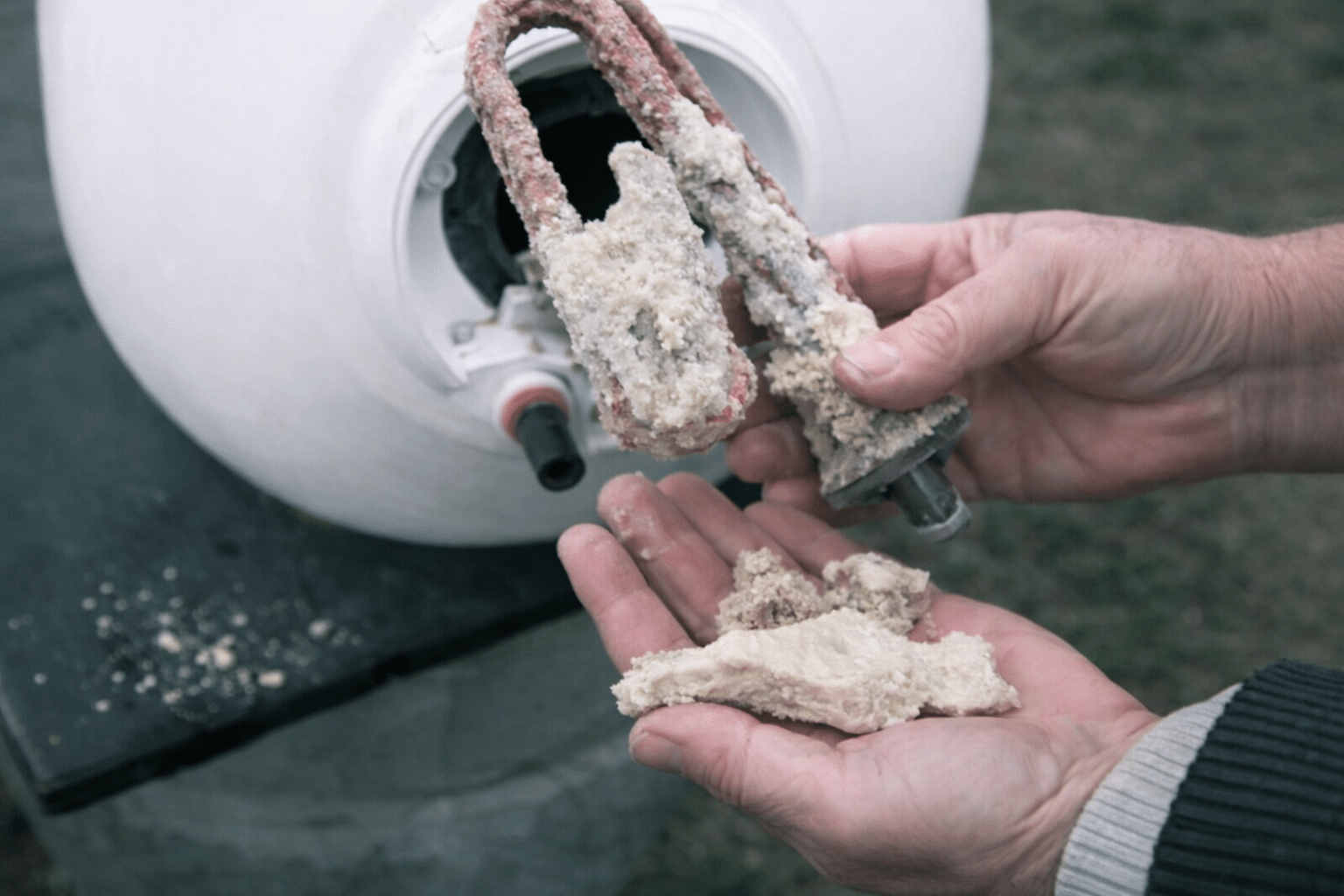
Over time, minerals like calcium and magnesium settle at the bottom of your tank, forming a thick layer of sediment. This sediment buildup takes up physical space that should be occupied by hot water. We find that a tank half-full of sediment can only hold half the hot water it’s supposed to.
This sediment buildup also acts as an insulator, making it harder for the burner to heat the water above it. This means your heater works twice as hard for half the result, which wastes a lot of energy. Regularly using a hose to flush your tank is the best way to prevent this sediment.
Thermostat Settings
Sometimes the solution is as simple as a thermostat that was accidentally moved or set too low. We recommend checking the thermostat on the side of your heater to ensure it hasn’t been bumped. A standard, safe temperature for most homes is typically around 120 degrees Fahrenheit.
If the dial is set correctly but the water is still cool, the thermostat itself might be failing. On an electric water heater, there is an upper thermostat and a lower one that must work together. If they aren’t reading the temperature accurately, the heater won’t stay on long enough.
Why Is My Water Heater Making Loud Popping Noises?
If your basement sounds like someone is playing a drum set or popping popcorn, don’t panic. These common problems are very frequent, especially in areas where hard water is prevalent. While the sounds can be alarming, they are usually a cry for a little bit of maintenance.
Mineral Buildup
The most common cause of loud banging or popping is sediment buildup, a process often referred to as “kettling.” When water gets trapped under a layer of mineral crust at the bottom of the tank, it begins boiling. The steam bubbles then explode as they escape through the sediment buildup.
We find that these mini-explosions create that distinctive popping sound you hear through the floorboards. It’s essentially your heater trying to boil water through a layer of rock. To fix this, you must flush the tank to remove the hardened sediment.
Aluminum Anode Rods
Inside every water heater tank is an anode rod, which is designed to corrode so your tank doesn’t. However, in some water conditions, an aluminum anode rod can react with the minerals in the water. This reaction creates a gel-like substance that settles at the bottom of the heater.
As the heater runs, this gel can contribute to strange noises and reduced efficiency. We sometimes suggest you replace the rod with a different material if your local water chemistry is the problem. It’s a small change that can make a huge difference in the quietness of your home.
Thermal Expansion
Sometimes the noise isn’t coming from inside the tank, but from the pipes themselves. As hot water heats up, it expands, and your pipes can actually move or rub against the wooden framing. This is quite common in newer water heaters that are tightly sealed.
While this isn’t usually dangerous, it can be annoying during a quiet shower. We’ve found that installing an expansion tank can help dissipate this pressure. It’s all about giving the heat a little bit more room to breathe.
Why is My Water Heater Leaking from the Bottom?
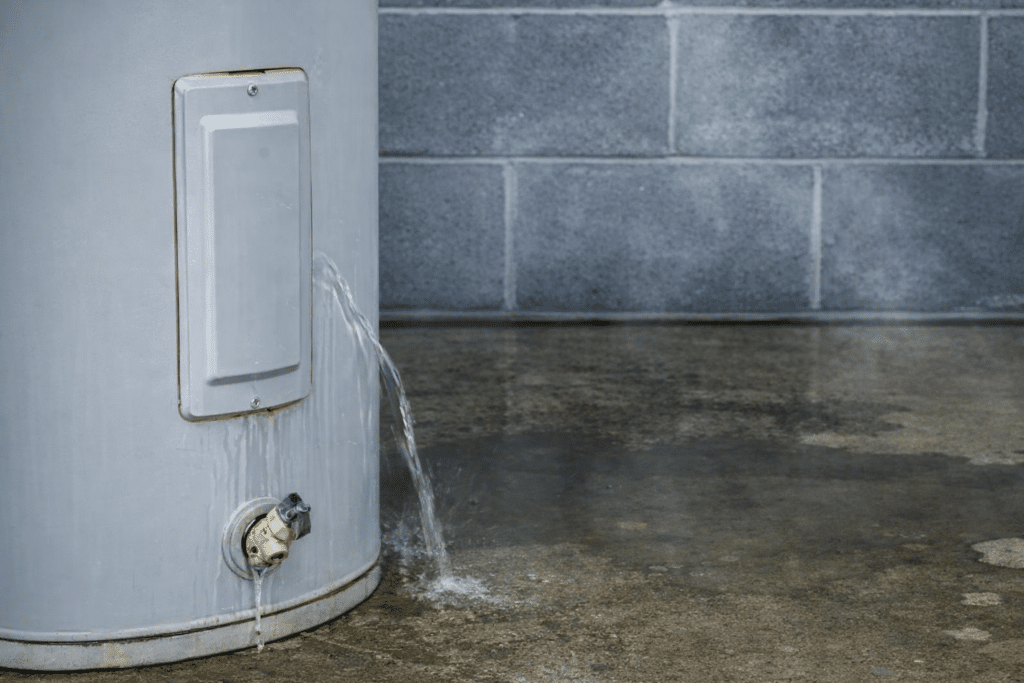
A puddle under your heater is the one sign we tell homeowners never to ignore. While some leaks are minor and easily fixed, others are the “check engine light” for a dying appliance. Identifying the source of the leak is the first step in deciding if you need a repair or a full replacement.
Internal Corrosion
If the water is seeping directly from the bottom of the steel tank, the news is usually not great. Over time, rust can eat through the inner lining of the heater until a hole forms. We find that once a tank starts leaking due to internal corrosion, it cannot be repaired.
This usually happens when the anode rod has been completely dissolved, leaving the steel tank unprotected. If you see water pooling under a heater that is more than 10 years old, its life expectancy is likely over. We recommend acting fast before a small leak becomes a major flood.
Drain Valve Issues
Not every leak is a catastrophe; some are just due to a loose drain valve. At the bottom of every tank is a drain valve, which looks like a small plastic or metal faucet. If this valve becomes loose or the internal seal wears out, it will start to drip.
We often find that these valves are made of plastic and can become brittle over time. Replacing a plastic drain valve with a sturdy brass one is a great way to stop the leak. It’s an inexpensive solution that can save you from an unnecessary heater replacement.
Temperature and Pressure Relief Valve
The pressure relief valve is located near the top or side of the tank and is a vital safety feature. Its job is to open up and release water if the tank gets too hot or has too much pressure. If you see water leaking from this valve, your tank might be under too much stress.
We view this as a very important safety feature doing its job to protect the entire water heater. However, the valve itself can also get stuck or become faulty over time. If it’s leaking constantly, we recommend you wait for a professional plumber to check the temperature and pressure settings.
Why Does My Hot Water Smell Like Rotten Eggs?
Walking into a bathroom that smells like sulfur is a surefire way to ruin your morning routine. This “rotten egg” smell is a frequent complaint, especially for those on a specific water supply. It’s rarely a health hazard, but it is certainly a major nuisance.
Bacteria Growth
The smell is usually caused by a specific type of non-toxic bacteria that lives in some water. These bacteria react with the magnesium anode rod to create hydrogen sulfide gas. We’ve found that this gas is exactly what creates that pungent sulfur odor in the hot water.
The solution is often as simple as having a plumbing company replace the magnesium anode rod with one made of aluminum or zinc. These materials don’t react with the bacteria in the same way. It’s an easy switch that clears the air and makes your shower pleasant again.
Rusty Water
If your hot water looks brown, your heater is literally eating itself from the inside out. This happens when the anode rod is completely gone, and the water begins to attack the iron in the tank walls. This rusty water is a sign that your tank’s life is coming to an end.
- Check the Anode Rod: We recommend checking this every 2 to 3 years to protect the tank.
- Flush the Tank: Do this annually to remove loose rust and sediment.
- Check the Reset: If the heater stops, check the limit switch or reset button before calling for water heater repair.
FAQs
How do I know if my water heater is failing?
Look for signs like rusty water, puddles under the tank, or loud banging noises every time the heater turns on. These indicators suggest the internal structure is compromised. If your unit is over a decade old, these signs are even more critical.
What causes a water heater to stop working suddenly?
The most common causes are a tripped circuit breaker, a pilot light that has blown out, or a broken heating element. These issues usually cut off the heat source entirely. Most of the time, these are external to the tank itself and can be fixed by a professional plumber.
Can sediment buildup cause my water heater to leak?
Yes. Sediment can cause the bottom of the tank to overheat, which weakens the metal and eventually leads to a permanent leak. The sediment acts as a barrier, trapping heat against the steel floor of the tank. This stress eventually causes the metal to fatigue and crack.
Why is my hot water brown or yellow?
This is usually caused by rust inside your tank or your home’s pipes. It often means your sacrificial anode rod has been completely used up. Without that rod to attract the corrosion, the water begins to eat the tank’s lining.
Is it normal for a water heater to make noise?
While some slight humming is normal, loud popping or knocking sounds usually mean there is a heavy layer of sediment at the bottom of the tank. This is your heater struggling to heat water through a layer of mineral buildup. A thorough flush usually provides a solution.
Conclusion
Taking care of your water heater doesn’t have to be a daunting task. By paying attention to the small signs, the tiny drips, the strange sounds, and the changes in water temperature, we can prevent minor issues from turning into expensive disasters. We hope this guide has given you the confidence to understand what’s happening behind that metal tank.
Remember, a little bit of maintenance goes a long way. Whether it’s flushing the sediment once a year or checking your anode rod, these small steps ensure that your morning shower remains the warm, relaxing experience it’s meant to be. We’re all about keeping your home comfortable, one hot shower at a time.
Tired of ice-cold surprises? If you are looking for plumbers near me or a reliable plumbing company to solve your heater woes, don’t wait for a flood. Visit us at PlumbingDoctor.com today to schedule a professional inspection and get your hot water back on track!
Contact us if you are looking for a reliable plumbing service in Chico, Davis, Dixon, East Bay, Elk Grove, Fairfield, Lincoln, Marysville, Oroville, Reno, Sacramento, West Sacramento, Sparks, Vacaville, Winters, Woodland, and Yuba City.